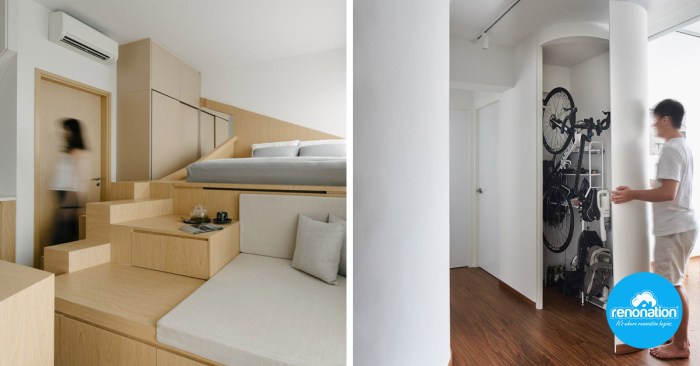
Transforming cramped quarters into efficient, stylish living spaces is a challenge many face. This guide explores innovative strategies for maximizing functionality in small apartments, bedrooms, kitchens, and bathrooms. We delve into clever design solutions, from space-saving furniture and strategic storage to the artful application of light and color to create the illusion of more space. Whether you’re working with a tiny studio or a compact family home, these techniques will help you unlock the full potential of your limited square footage.
We will examine practical approaches to vertical space maximization, the clever use of multifunctional furniture, and the implementation of strategic storage solutions. Further, we’ll uncover the secrets of using light, color, and reflective surfaces to enhance the perception of space, effectively transforming a small area into a comfortable and aesthetically pleasing environment. The aim is to provide a comprehensive resource equipping readers with the knowledge and inspiration to tackle their own small space challenges.
Maximizing Vertical Space
Small spaces often present a significant design challenge, but by strategically utilizing vertical space, we can transform cramped quarters into functional and aesthetically pleasing environments. Clever storage solutions and thoughtful design choices can significantly increase usable area and improve the overall livability of a small apartment or room.
Shelving Unit Design for Small Apartments
Effective shelving is crucial for maximizing vertical space in small apartments. A modular shelving system offers flexibility and adaptability to changing needs. Consider using a combination of open and closed shelving to balance visual appeal with storage capacity. For instance, open shelving can display decorative items or books, while closed shelving can neatly store away less visually appealing items.
| Material | Cost | Durability | Aesthetic Appeal |
|---|---|---|---|
| Wood | Medium to High | High, with proper treatment | High, versatile styles available |
| Metal | Medium | High, resistant to damage | Modern, industrial aesthetic |
| Plastic | Low | Low to Medium, prone to cracking | Variable, can be less visually appealing |
Loft Bed Installation for Maximizing Floor Space
A loft bed significantly increases usable floor space in a small bedroom. This frees up valuable space below for a study area, seating, or even a small home office. Proper installation is crucial for safety and stability.
- Careful Planning and Measurement: Begin by accurately measuring the bedroom space and the dimensions of the loft bed frame. Ensure sufficient headroom and clearance around the bed. Plan the location carefully considering access to windows and doors.
- Assembly of the Frame: Follow the manufacturer’s instructions meticulously for assembling the bed frame. Most loft beds utilize a system of pre-drilled holes and bolts for easy assembly. Ensure all connections are tight and secure.
- Wall Anchoring: Securely anchor the bed frame to the wall using appropriate wall anchors. This is crucial for safety and stability, especially if the bed is to be used by children or adults. The type of anchor will depend on the wall material (drywall, brick, etc.).
- Ladder Installation: Attach the ladder securely to the bed frame, ensuring it is sturdy and provides safe access to the sleeping platform. Check for any wobble or instability.
- Final Inspection: Once the loft bed is fully assembled, conduct a thorough inspection to ensure all components are securely fastened and there are no safety hazards. Test the stability of the ladder and the bed frame itself.
Utilizing Vertical Gardens in Small Spaces
Vertical gardens offer a unique solution for maximizing space while adding a touch of nature to small interiors. They enhance visual appeal, improve air quality, and can even create a calming atmosphere.Vertical gardens can be created using various methods, including wall-mounted planters, hanging baskets, or even repurposed materials like pallets. Proper watering and lighting are crucial for successful vertical gardening.
- Pothos
- Spider Plant
- English Ivy
- Philodendron
- ZZ Plant
Multifunctional Furniture
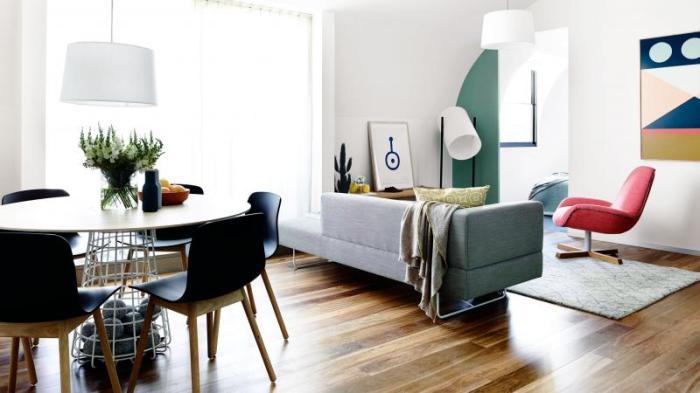
Multifunctional furniture is crucial for maximizing space in small living areas. By cleverly combining the functions of multiple pieces into one, we can significantly improve both the efficiency and aesthetic appeal of a compact space. This section explores the design and application of such furniture, focusing on its practical benefits and various options available.
Designing a Multifunctional Storage Ottoman
This design focuses on a storage ottoman that can also serve as a coffee table. The ottoman will measure 36″ x 36″ x 18″ (LxWxH). The frame will be constructed from solid pine wood, chosen for its strength, durability, and relatively lightweight nature. The frame will be assembled using mortise and tenon joinery for superior strength and a clean aesthetic.
The top will be upholstered with a durable, stain-resistant fabric in a neutral color. Inside, a generously sized storage compartment will be created using plywood panels and hinges. The lid will be padded and upholstered to match the top. Foam padding, approximately 4 inches thick, will be used for both the lid and the top surface, providing comfortable seating.
The overall finish will be a clear sealant to protect the wood and enhance its natural beauty.
Material Comparison for Multifunctional Furniture
The choice of materials significantly impacts the furniture’s durability, aesthetics, and cost. Below is a comparison of common materials:
| Material | Pros | Cons | Suitability for Small Spaces |
|---|---|---|---|
| Solid Wood (Pine, Oak) | Durable, strong, aesthetically pleasing, repairable | Can be heavy, expensive, susceptible to scratches and water damage | Good if space allows for the weight; consider lighter woods for smaller spaces |
| Plywood | Lightweight, relatively inexpensive, strong when laminated | Can be less aesthetically pleasing than solid wood, edges can be prone to chipping | Excellent choice for its lightweight nature and strength-to-weight ratio |
| MDF (Medium-Density Fiberboard) | Inexpensive, smooth surface, easy to work with | Not as strong as wood, susceptible to moisture damage, not easily repaired | Suitable for less-stressful applications like internal components, but not ideal for the main frame. |
| Metal (Steel, Aluminum) | Strong, durable, modern aesthetic | Can be heavy, prone to rust (steel), potentially expensive | Good for certain applications, but consider weight and potential noise |
Comparison of Space-Saving Furniture
Space-saving furniture offers a variety of solutions for small living areas. Understanding their differences helps in making informed choices.
The following points compare Murphy beds, convertible sofas, and nesting tables:
- Murphy Beds: These beds fold vertically into a wall unit, maximizing floor space during the day. They are excellent for maximizing floor space but can be more expensive and require professional installation. They are also generally bulkier than other options when folded.
- Convertible Sofas: These sofas transform into beds, offering both seating and sleeping functionality. They are more versatile than Murphy beds, offering daily seating, but the sleeping surface may be less comfortable. They are also generally less expensive and easier to install.
- Nesting Tables: These tables fit inside each other, allowing for easy storage when not in use. They are a practical solution for small spaces where multiple tables might be needed but space is limited. They are generally the most affordable option.
Repurposing Existing Furniture for Additional Storage or Functionality
Repurposing existing furniture offers a cost-effective and creative approach to enhancing small spaces. For example, an old dresser can be converted into a bathroom vanity by adding a sink and plumbing. A hollowed-out trunk can be used as a coffee table with storage. A repurposed bookcase can become a room divider, adding visual separation and storage in a studio apartment.
Adding casters to larger pieces can allow them to be easily moved and re-arranged as needed.
Strategic Storage Solutions
Effective storage is paramount in small spaces. By strategically utilizing available areas and employing smart storage solutions, you can significantly enhance functionality and minimize clutter, creating a more organized and comfortable living environment. This section will explore practical strategies for optimizing storage in key areas of a small home.
Kitchen Storage Optimization
Maximizing cabinet space in a small kitchen requires a thoughtful approach to organization. Visualize your cabinets as vertical zones, utilizing every inch of height. For example, the bottom shelves can accommodate heavier items like pots and pans, while lighter items such as spices and frequently used cooking utensils are best placed at eye level for easy access. Higher shelves are ideal for less frequently used items.
Employing stackable containers and drawer dividers helps maintain order and prevents items from getting lost in the back. Consider using vertical organizers within cabinets to maximize vertical space and prevent items from toppling over. Imagine a cabinet door fitted with a spice rack, freeing up valuable shelf space. Utilize the space under the sink with pull-out drawers or tiered organizers to accommodate cleaning supplies.
This layered approach ensures efficient use of space and creates a visually appealing, clutter-free kitchen.
Bathroom Storage Solutions
Hidden storage is crucial in a small bathroom to maintain a clean and uncluttered aesthetic. Several methods can effectively conceal everyday essentials.
- Recessed Cabinets: Installing recessed cabinets into the wall offers a seamless and space-saving solution. These can be built to match existing cabinetry, maintaining a cohesive look. Imagine a small, shallow cabinet nestled above the toilet, perfect for storing extra toilet paper or cleaning supplies.
- Over-the-Toilet Storage: Utilize the often-wasted space above the toilet with a storage unit. This can be a simple shelf or a more elaborate cabinet, depending on available space and aesthetic preferences. Consider a sleek, white unit that blends seamlessly with the bathroom decor.
- Mirror Cabinets: A mirrored medicine cabinet not only provides storage but also adds a touch of elegance while concealing toiletries and other items. A large, well-lit mirrored cabinet can significantly enhance the bathroom’s functionality and visual appeal.
- Under-Sink Storage: Maximize under-sink space with pull-out drawers or tiered organizers to accommodate cleaning supplies and other bathroom essentials. Consider using stackable containers to further optimize the space.
Closet Organization System
Optimizing a small closet requires a combination of space-saving techniques and smart organization. Vertical space is key.
- Vertical Hanging Organizers: Double the hanging space by installing a double-rod system. This allows for stacking clothes, maximizing vertical space. Imagine a sleek, brushed metal double-rod system that complements the closet’s aesthetic.
- Shelf Dividers: Use shelf dividers to prevent stacks of folded clothes from toppling over. This keeps items neat and easily accessible. Consider clear plastic dividers for a clean and unobtrusive look.
- Drawer Organizers: Utilize drawer organizers to maximize space and keep folded items neatly arranged. These organizers come in various sizes and materials to suit different needs and aesthetics.
- Vacuum-Sealed Bags: For seasonal items or bulky clothing, vacuum-sealed bags can significantly reduce storage space. These bags remove air, compressing the contents and saving valuable closet space. Imagine storing bulky winter coats in vacuum-sealed bags during the summer months.
- Over-the-Door Organizers: Utilize the often-wasted space on the inside of the closet door with an over-the-door organizer. These organizers provide extra storage for shoes, accessories, or other small items. A multi-pocket organizer in a neutral color can easily blend into the closet’s overall design.
Ultimately, transforming small spaces into functional areas is a journey of creative problem-solving and thoughtful design. By embracing verticality, multifunctional furniture, and strategic storage, and by understanding the power of light and color, you can create a home that is both beautiful and practical, regardless of its size. This guide offers a blend of practical advice and inspirational ideas to help you achieve a space that perfectly reflects your needs and style, proving that even the smallest of spaces can be remarkably livable and aesthetically pleasing.
FAQ Compilation
What are some affordable ways to add storage to a small space?
Utilize over-the-door organizers, stackable storage bins, and under-bed storage containers. Repurposing existing items like jars or baskets for storage can also be cost-effective.
How can I make a small room feel brighter?
Maximize natural light by keeping windows unobstructed. Use light-colored paint on walls and incorporate mirrors to reflect light. Choose light and airy fabrics for curtains and upholstery.
What is the best way to choose paint colors for a small space?
Light and neutral colors generally make small spaces feel larger. Consider using a single color palette to create a cohesive and spacious feel. Avoid overly dark or bold colors that can make a room feel smaller.
How do I declutter effectively in a small space?
Start by removing anything you don’t use, need, or love. Organize items into categories and donate, sell, or discard unwanted items. Regularly purge items to prevent clutter from accumulating again.


