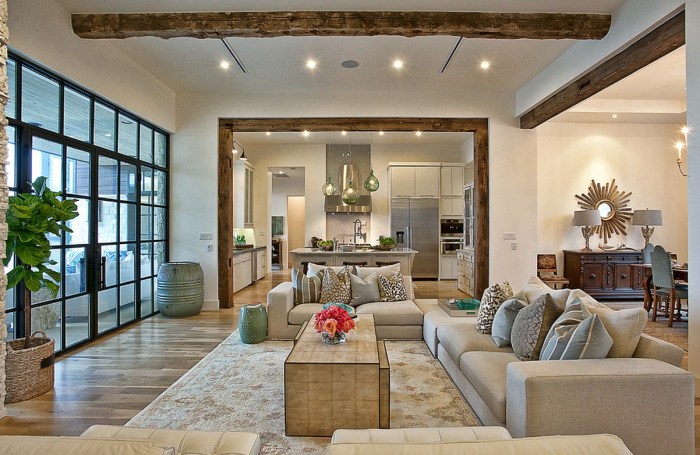
Transforming a cramped living space into a haven of airy openness is achievable through strategic home renovation. This exploration delves into practical techniques and design principles that maximize space and enhance the aesthetic appeal of your home. We’ll examine how clever use of light, color, mirrors, and multifunctional furniture can dramatically alter the perception of size and create a more comfortable, functional living environment.
From maximizing natural light to employing minimalist design principles and strategically incorporating mirrors, this guide offers a comprehensive approach to space enhancement. We’ll explore diverse solutions, providing practical advice and visual descriptions to help you envision the transformation of your own space. Discover how seemingly simple changes can have a profound impact on the overall feel and functionality of your home.
Maximize Natural Light
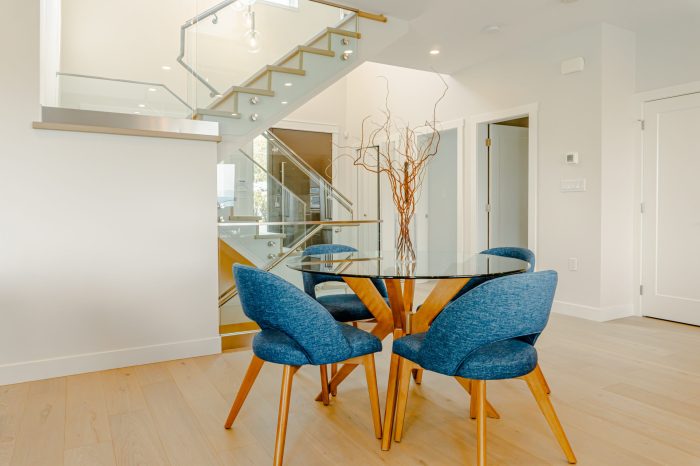
Maximizing natural light is a highly effective strategy for enhancing the perceived spaciousness of a home. By strategically increasing the amount of natural light entering your living areas, you can create a brighter, airier, and more expansive feel, even without physically altering the room’s dimensions. This is achieved through a combination of thoughtful window treatments and, in some cases, architectural modifications.
The introduction of ample natural light dramatically alters the way a space feels. Darker rooms, even if large, often feel cramped and confining. Conversely, bright rooms feel open and inviting, regardless of their actual square footage. This is because light reflects off surfaces, creating a sense of depth and volume. Furthermore, the psychological benefits of natural light are well-documented, contributing to a more positive and uplifting living environment.
Methods for Increasing Natural Light
Several methods can be employed to effectively maximize natural light within a home. These range from simple adjustments to more involved architectural changes, depending on the existing structure and budget. Simple strategies include replacing heavy, light-blocking curtains with sheer fabrics or blinds that allow light to filter through. For more significant impact, consider replacing small windows with larger ones, or even adding new windows altogether, where structurally feasible.
Skylights are another excellent option for introducing light from above, particularly beneficial in rooms with limited wall space. Finally, strategically placed mirrors can reflect natural light deeper into the room, effectively expanding its perceived size.
Visual Representation of a Room Before and After Maximizing Natural Light
| Before | After |
|---|---|
| Imagine a small living room with a single, small window draped with heavy velvet curtains. The room is painted a dark, muted green, and the furniture is bulky and dark-toned. The overall impression is one of dimness and confinement. The limited natural light makes the space feel smaller than it actually is. | Now picture the same room, but with the velvet curtains replaced by sheer linen drapes that allow abundant light to filter in. The walls have been repainted a light, airy cream color. The furniture is lighter in color and more streamlined. A large mirror has been strategically placed to reflect the natural light from the window across the room. The overall impression is bright, airy, and spacious. The room feels significantly larger and more welcoming due to the increased natural light. |
Psychological Impact of Natural Light on Perceived Space
The psychological impact of natural light on perceived space is significant. Studies have shown that exposure to natural light improves mood, reduces stress, and enhances cognitive function. In the context of home design, this translates to a more positive and comfortable living experience. A brightly lit room feels more inviting and welcoming, instantly making it seem more spacious and less confining.
The absence of natural light, conversely, can create a sense of claustrophobia and negatively impact mood, leading to a perception of smaller, more constricted space, even if the dimensions remain unchanged. The human brain inherently associates bright, light-filled spaces with openness and freedom, while dark spaces are often perceived as enclosed and small.
Strategic Use of Mirrors
Mirrors are a powerful tool in interior design, offering a deceptively simple yet highly effective way to visually expand a space. By strategically placing mirrors, you can create the illusion of greater depth and openness, transforming even the smallest room. This technique plays with light reflection and perspective, effectively tricking the eye into perceiving a larger area than physically exists.
The careful selection of mirror size, shape, and placement is key to achieving this effect.
The strategic placement of mirrors can dramatically alter the perceived size and ambiance of a room. A large mirror positioned opposite a window, for example, will reflect the natural light, doubling its effect and brightening the space considerably. This not only makes the room feel larger but also enhances its overall brightness and cheerfulness. Smaller mirrors can be used in clusters to create a similar effect, or strategically placed to highlight architectural details or artwork, adding depth and visual interest.
Mirror Size, Shape, and Placement for Optimal Effect
The size and shape of a mirror significantly impact its space-enhancing capabilities. Large, full-length mirrors are ideal for creating a sense of spaciousness in hallways or smaller bedrooms. They create a sense of depth by reflecting the entire room, making it appear further than it actually is. Imagine a narrow hallway with a large, rectangular mirror placed at its far end; the reflection extends the visual length of the hallway considerably.
Conversely, smaller, round or oval mirrors can be used to add subtle reflections and visual interest without overwhelming a space. Consider placing these smaller mirrors above a mantelpiece, or in a cluster on a wall to create a decorative focal point that also subtly expands the visual space.
Placement is crucial. Avoid placing mirrors directly opposite windows or other reflective surfaces; this can create an infinite loop of reflections that can be disorienting and visually overwhelming. Instead, focus on placing mirrors to reflect light sources, architectural features, or visually appealing aspects of the room. For instance, positioning a mirror to reflect a well-lit artwork or a beautifully landscaped garden view can dramatically enhance the room’s aesthetic appeal and create a sense of expansiveness.
Large Single Mirrors versus Multiple Smaller Mirrors
The choice between a large single mirror and multiple smaller mirrors depends on the room’s size, style, and the desired effect. Both options can effectively enhance space, but they achieve this in different ways.
| Feature | Large Single Mirror | Multiple Smaller Mirrors |
|---|---|---|
| Visual Impact | Creates a dramatic, expansive effect. Can make a significant difference in smaller rooms. | Offers a more subtle, dispersed reflection. Can be used to highlight specific areas or create a more eclectic look. |
| Space Suitability | Best suited for larger rooms or areas where a bold statement is desired. Can feel overwhelming in small, cluttered spaces. | Works well in smaller rooms or spaces where a more understated approach is preferred. Allows for greater flexibility in placement and design. |
| Style | Often makes a strong design statement. Requires careful consideration of the frame and overall room style. | Allows for greater stylistic diversity. Can be used to create a cohesive or eclectic look depending on the selection of mirrors and their arrangement. |
Impact of Mirror Frames and Styles
The frame of a mirror is not merely functional; it’s a significant design element that can heavily influence the overall aesthetic and perceived space. A large, ornate frame can create a dramatic focal point, drawing the eye and adding visual weight to the room. This can be advantageous in a large room where a strong visual anchor is needed.
However, in smaller spaces, a large, ornate frame might feel overwhelming. Conversely, a simple, minimalist frame can create a more subtle and refined effect, blending seamlessly with the room’s decor without dominating the space. The style of the frame should complement the overall design of the room; a modern, sleek frame would suit a contemporary space, while a more traditional, ornate frame would be appropriate for a classic or antique-style setting.
The frame’s color and material can also impact the perceived space; lighter-colored frames can make a room feel airier and more open, while darker frames can add a sense of sophistication and drama.
Ultimately, enhancing your home’s space isn’t just about adding square footage; it’s about creating a sense of freedom and flow. By thoughtfully incorporating the techniques discussed—from optimizing natural light and decluttering to utilizing multifunctional furniture and strategic color palettes—you can dramatically improve the livability and aesthetic appeal of your home. Remember, the key is a holistic approach that combines functionality with style to achieve a truly transformative result.
Key Questions Answered
Can I achieve these results without a major renovation?
Absolutely! Many of these ideas, such as decluttering, strategic mirror placement, and repainting, can be implemented with minimal cost and effort.
What if my home has low ceilings?
Light, airy colors, vertical lines in decor, and strategically placed mirrors can help create the illusion of higher ceilings.
How much will these renovations cost?
The cost varies greatly depending on the scope of the project. Simple changes like decluttering and repainting are inexpensive, while larger projects like adding windows could be more costly. Careful planning and budgeting are key.
Are there any specific tools or materials I’ll need?
The necessary tools and materials depend on the specific renovation. Basic tools for painting, measuring, and hanging items are often sufficient for many of the suggested improvements.


