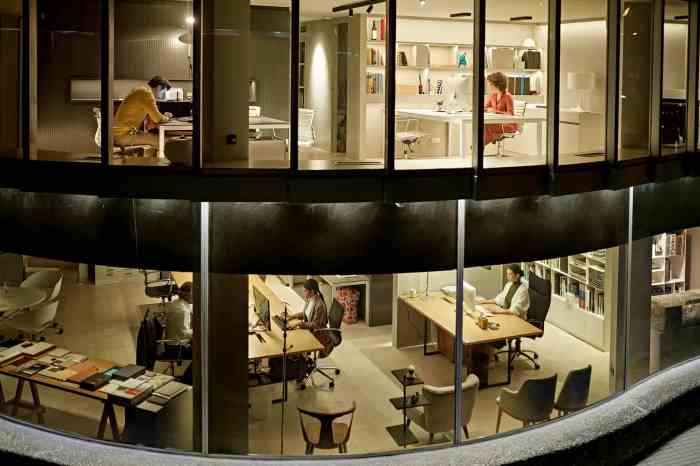
Effective office space optimization is more than just rearranging furniture; it’s a strategic approach to maximizing productivity, employee well-being, and cost efficiency. This involves a careful assessment of current space utilization, identifying areas for improvement, and implementing innovative solutions to create a dynamic and functional work environment. From leveraging technology to incorporating biophilic design principles, the possibilities for enhancing your workspace are vast.
This comprehensive guide explores the key principles of office space optimization, providing practical strategies and actionable steps to transform your office into a high-performing, employee-centric space. We’ll cover everything from conducting a thorough space audit to implementing cost-effective solutions and measuring the success of your optimization efforts. By the end, you’ll have a clear understanding of how to create an office that not only looks great but also functions optimally.
Defining Office Space Optimization
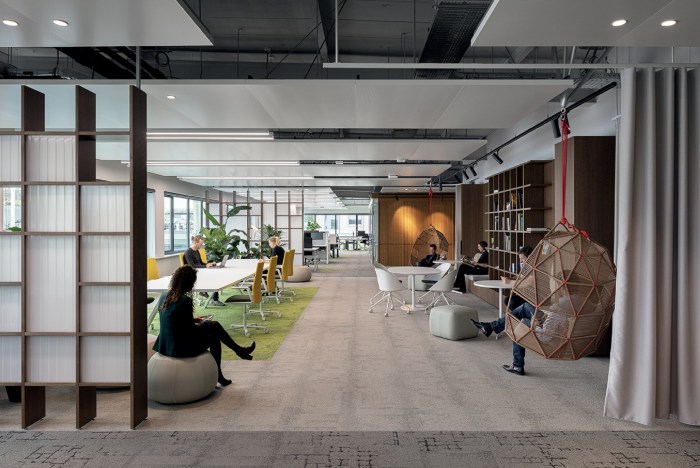
Office space optimization is the strategic process of maximizing the efficiency and effectiveness of a workspace by carefully considering its design, layout, and utilization. It’s about creating an environment that supports productivity, collaboration, and employee well-being while minimizing unnecessary costs. This involves a holistic approach, considering everything from furniture placement to technology integration.Effective office space optimization relies on several core principles.
Firstly, it prioritizes functionality and purpose. Each area should serve a clear and defined role, avoiding wasted or underutilized spaces. Secondly, it emphasizes flexibility and adaptability. The design should be capable of accommodating changing needs and evolving work styles. Thirdly, it promotes employee well-being, considering factors like natural light, air quality, and ergonomic design.
Finally, it incorporates data-driven decision-making, utilizing metrics like space utilization and employee productivity to inform design choices.
Benefits of Optimized Office Space
Optimizing office space offers numerous advantages. Improved employee productivity is a key benefit, as a well-designed space can foster better focus, collaboration, and overall morale. Cost efficiency is another significant advantage, as optimized layouts can reduce rent, utilities, and furniture costs. Enhanced employee well-being leads to increased job satisfaction and reduced employee turnover. Finally, a well-optimized space often improves the company’s overall image and attractiveness to prospective employees and clients.
Examples of Poorly and Well-Optimized Spaces
A poorly optimized office might feature cramped cubicles, inefficient use of natural light, and a lack of collaboration spaces. Imagine a large, open-plan office with rows of desks crammed together, little natural light reaching the interior, and a general feeling of claustrophobia. Employees may struggle to concentrate, and communication may be hampered by the noise and lack of privacy.
In contrast, a well-optimized office might utilize a combination of open and private spaces, incorporate natural light effectively, and offer a variety of work settings to suit different tasks and preferences. Picture a bright, airy office with a mix of collaborative workspaces, quiet zones for focused work, and private offices for meetings and confidential work. Employees would have access to natural light, comfortable seating, and areas designed to promote both individual focus and team collaboration.
Comparison of Traditional and Optimized Office Layouts
| Layout Type | Space Utilization | Employee Productivity | Cost Efficiency |
|---|---|---|---|
| Traditional (Cubicles) | Often low; significant wasted space between cubicles. | Can be low due to lack of collaboration space and poor natural light. | Generally high due to large footprint and underutilization. |
| Optimized (Activity-Based Working) | High; flexible spaces adapt to changing needs. | Generally high due to varied work settings and improved collaboration. | Moderate to high; reduced footprint and efficient use of resources. |
| Traditional (Private Offices) | Low; many individual offices lead to wasted space. | Can vary; may be hampered by isolation and lack of collaboration. | Generally high; significant space required per employee. |
| Optimized (Hybrid Model) | High; combines private offices with collaborative areas. | High; balances individual focus with team collaboration. | Moderate; balances space efficiency with individual needs. |
Assessing Current Space Utilization
Effective office space optimization begins with a thorough understanding of how your current space is being used. This involves more than just a casual glance; it requires a systematic approach to accurately measure space usage and identify areas for improvement. A comprehensive assessment allows for data-driven decisions, ensuring that any changes implemented truly optimize your workspace and enhance productivity.Accurate measurement of current office space usage is crucial for informed decision-making.
Ignoring this step can lead to inefficient layouts and wasted resources. This process involves gathering detailed information about how various areas are utilized, identifying underutilized spaces, and pinpointing areas of overcrowding.
Methods for Measuring Current Office Space Usage
Several methods exist for accurately measuring current office space usage. These range from simple visual observations to more sophisticated technological solutions. Combining different approaches often yields the most comprehensive results.
- Space Mapping and Diagrams: Create detailed floor plans, noting the location and size of all furniture, equipment, and work areas. This provides a visual representation of the current layout and allows for easy identification of underutilized or congested areas.
- Desk Audits: Conduct a physical inventory of each workspace, documenting its type (individual desk, shared desk, etc.), occupancy rate (days per week used), and any additional equipment present (e.g., monitors, printers). This granular level of data is essential for determining individual workspace needs.
- Occupancy Sensors: Employ sensors (infrared, ultrasonic, or even simple counters) to automatically track the number of people in different areas at various times throughout the day. This data reveals usage patterns and can highlight peak times and underutilized periods.
- Surveys and Interviews: Gather employee feedback on their workspace preferences and needs through surveys or interviews. This qualitative data complements quantitative data from physical audits and sensors, providing a holistic view of workspace utilization.
Common Space-Wasting Elements in Typical Offices
Many offices contain elements that contribute to significant space wastage. Identifying and addressing these issues is critical for maximizing efficiency. These commonly include:
- Underutilized Private Offices: Large, single-occupancy offices can be significantly underutilized if employees are frequently out of the office or work collaboratively in other areas. Converting these to shared spaces or hot desks can free up significant square footage.
- Excessive Storage Space: Cluttered storage rooms and overflowing filing cabinets often occupy valuable space. Implementing digital archiving and decluttering strategies can significantly reduce storage needs.
- Inefficient Meeting Room Usage: Meeting rooms that are booked infrequently or for short periods represent wasted space. Implementing booking systems and optimizing meeting room sizes can improve utilization.
- Poorly Designed Workspaces: Poorly planned layouts can lead to wasted circulation space and inefficient use of workstations. Optimizing furniture arrangement and workflow can significantly improve space efficiency.
Strategies for Collecting Data on Employee Workspace Needs
Understanding employee workspace needs is essential for creating a productive and efficient office environment. Collecting this information requires a multi-faceted approach.
- Employee Surveys: Design questionnaires to gather information on preferred workspace types (individual vs. collaborative), technology requirements, and desired amenities. Ensure anonymity to encourage honest responses.
- Focus Groups: Conduct small group discussions to delve deeper into employee needs and preferences. This allows for more nuanced understanding and the identification of unspoken needs.
- Individual Interviews: Conduct one-on-one interviews with employees to address specific concerns or gather detailed information about individual workspace requirements.
- Workplace Observation: Observe employees’ work habits and interactions to identify areas for improvement and understand how the current space supports or hinders their productivity.
Step-by-Step Guide for Conducting a Space Audit
A structured approach to conducting a space audit is crucial for achieving accurate and actionable results.
- Define Objectives: Clearly state the goals of the space audit. What information are you trying to gather? What are the potential outcomes you hope to achieve?
- Data Collection: Utilize the methods described above (space mapping, desk audits, occupancy sensors, surveys) to gather comprehensive data on space utilization and employee needs.
- Data Analysis: Analyze the collected data to identify patterns, trends, and areas for improvement. This might involve calculating occupancy rates, identifying underutilized spaces, and assessing employee satisfaction.
- Report Generation: Create a detailed report summarizing your findings, including visual representations (floor plans, charts, graphs) to effectively communicate your results.
- Recommendation Development: Based on your analysis, develop specific recommendations for optimizing the office space, including potential layout changes, furniture adjustments, and technology upgrades.
Ultimately, successful office space optimization hinges on a holistic approach that considers employee needs, technological advancements, and budgetary constraints. By implementing the strategies Artikeld in this guide, businesses can create a workplace that fosters collaboration, boosts productivity, and enhances the overall employee experience. The result? A more efficient, engaging, and profitable organization.
Quick FAQs
What is the return on investment (ROI) for office space optimization?
ROI varies depending on the specific strategies implemented, but improvements can include reduced operational costs, increased employee productivity, and enhanced employee satisfaction, leading to improved retention.
How long does an office space optimization project typically take?
The timeline depends on the size and complexity of the project, but it can range from a few weeks to several months.
What if my company is hesitant to invest in office space optimization?
Highlight the long-term cost savings and productivity gains. Present a clear ROI analysis and demonstrate how optimization can contribute to a better work environment and improved employee morale.


