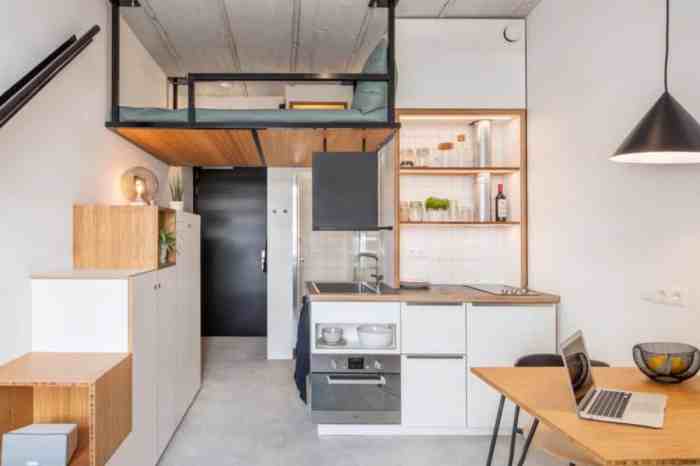
Transforming a cramped living room into a functional and stylish haven is achievable with the right approach. This guide delves into practical space-saving techniques, offering solutions from clever furniture choices to strategic use of lighting and decor. Discover how to maximize your space without sacrificing comfort or aesthetic appeal, creating a living room that reflects your personal style while efficiently utilizing every square foot.
We’ll explore a range of strategies, from selecting multifunctional furniture and employing effective decluttering methods to leveraging vertical space and the power of mirrors and light. Understanding the principles of space-saving design will empower you to create a living room that feels both spacious and inviting, regardless of its size.
Space Saving Decor and Accessories
Maximizing visual appeal in a small living room requires careful consideration of decor and accessories. The key is to choose items that enhance the space without overwhelming it, creating a sense of openness and airiness rather than clutter. Strategic placement and a mindful selection of pieces are crucial for achieving this balance.Choosing the right decorative items can significantly impact the perceived size and ambiance of a small living room.
Multifunctional pieces, clever storage solutions disguised as decor, and items with a light and airy aesthetic are all valuable assets in this endeavor. Careful attention to color palettes and the strategic use of mirrors can also work wonders in creating the illusion of more space.
Space-Saving Decorative Items
Mirrors are invaluable for creating the illusion of more space in a small living room. A large mirror placed strategically opposite a window can double the natural light, making the room feel brighter and more expansive. Similarly, a strategically placed mirror can reflect light from a lamp, amplifying its effect. Other space-saving options include slimline shelves that maximize vertical space, offering display opportunities without taking up valuable floor area.
Lightweight, transparent or glass-topped coffee tables also contribute to a feeling of openness. Floating shelves, affixed directly to the wall, are another excellent choice, providing display space without encroaching on the floor plan. Consider using a sleek, wall-mounted media console instead of a bulky entertainment center to save significant floor space.
Enhancing Visual Appeal Without Clutter
Using a cohesive color palette is crucial. Sticking to a limited range of colors, preferably lighter shades, helps create a sense of spaciousness. Light colors reflect more light, making the room feel brighter and larger. For example, a predominantly white or cream color scheme with accents of a single bold color can create a sophisticated and uncluttered look.
Avoid using too many different patterns or textures, as this can visually overwhelm a small space. Instead, opt for a few key pieces with interesting textures to add visual interest without cluttering the space. For instance, a textured throw blanket or a patterned rug can add warmth and character without sacrificing space.
Decorative Elements to Avoid
Oversized furniture, bulky accessories, and dark, heavy colors should be avoided in small living rooms. Large, imposing sofas or armchairs can make a small room feel cramped and claustrophobic. Similarly, numerous small decorative items scattered around the room create a cluttered look. Dark colors absorb light, making the room feel smaller and darker. Instead, opt for lighter, brighter colors that reflect light and create a more spacious feel.
Avoid using too many rugs, as they can visually break up the space and make it feel smaller. Instead, one well-placed rug can define a seating area and add warmth without overwhelming the room.
Incorporating Personal Touches Without Compromising Space
Personal touches can be incorporated subtly without sacrificing space. A gallery wall with smaller framed prints or photographs can add personality without overwhelming the walls. This allows for the display of cherished memories and artwork without taking up significant floor space. A small collection of carefully curated items displayed on a floating shelf can also add a personal touch.
These could be small sculptures, books, or plants. Instead of large vases, opt for smaller, more delicate ones. Similarly, instead of bulky throws, use lightweight blankets or throws that can be easily stored when not in use. Remember, less is more in a small living room. Choose a few meaningful items that reflect your personality and style, rather than filling the space with unnecessary clutter.
Space Saving Tips for Specific Room Layouts
Optimizing space in a small living room depends heavily on its shape and dimensions. Understanding your room’s layout is the first step towards maximizing its potential. Different layouts present unique challenges and opportunities for creative space-saving solutions. This section explores strategies for three common living room shapes: L-shaped, rectangular, and square.
Space Saving Strategies for L-Shaped Living Rooms
L-shaped living rooms offer a unique opportunity to create distinct zones within the space. The angled layout can be used to define areas for conversation, relaxation, and entertainment. However, it can also present challenges in furniture placement and traffic flow.
Floor Plan Example: Imagine an L-shaped living room with the longer leg measuring approximately 15 feet and the shorter leg measuring 10 feet. The corner could house a built-in shelving unit, acting as a room divider and providing ample storage. A sofa could be placed along the longer wall, facing a smaller media unit with a flat-screen TV. Two armchairs could be arranged in the shorter leg, creating a cozy conversation area.
A small coffee table could be used to anchor this area. The remaining space can be used for a small rug to define the seating area, leaving a clear pathway for easy movement.
Furniture Arrangement: Utilizing modular furniture is advantageous. Sectionals can be adapted to fit the angles, and ottomans with storage provide additional seating and storage solutions. Consider using mirrors strategically to create the illusion of more space and enhance light reflection.
Space Saving Strategies for Rectangular Living Rooms
Rectangular living rooms are common and relatively straightforward to furnish. However, maximizing space in a long, narrow room requires careful consideration of furniture placement to avoid creating a tunnel-like effect.
Floor Plan Example: Consider a rectangular living room measuring approximately 12 feet by 20 feet. A sofa could be placed along the shorter wall, with a media unit and TV on the opposite wall. Two armchairs could be arranged perpendicular to the sofa, creating a balanced arrangement. A rug can be used to ground the seating area. A console table or narrow shelving unit could be placed along the longer wall to provide additional storage and display space.
To prevent the room from feeling cramped, it is crucial to ensure there is enough space to move freely between the furniture.
Furniture Arrangement: Choose furniture with a low profile to prevent the room from feeling visually cramped. Opt for a sofa with a slimmer design and consider using wall-mounted shelves instead of bulky floor-standing units. This will help maintain an open feel and allow for easier movement around the room.
Space Saving Strategies for Square Living Rooms
Square living rooms provide a balanced layout, making furniture arrangement relatively flexible. However, it’s essential to avoid overcrowding the space.
Floor Plan Example: In a square living room measuring approximately 12 feet by 12 feet, a symmetrical arrangement would be ideal. A sofa could be placed against one wall, with two armchairs opposite, creating a conversation area. A coffee table placed centrally would anchor the seating group. A media unit and TV could be situated on an adjacent wall, allowing for balanced visual weight distribution.
Storage solutions, such as ottomans with storage or a slimline bookcase, can be incorporated without overwhelming the space.
Furniture Arrangement: Multi-functional furniture is key. A storage ottoman can double as extra seating, and a coffee table with drawers provides convenient storage. Consider using a light and airy color palette to create an illusion of more space.
The Concept of “Space Saving”
Space-saving design, in the context of interior design, prioritizes maximizing functionality and aesthetic appeal within limited square footage. It’s not merely about cramming furniture into a small space; rather, it’s a strategic approach that leverages clever design principles and multi-functional furniture to create a comfortable and visually pleasing environment. This approach is particularly valuable in small living rooms where every inch counts.The core principles of space-saving design revolve around efficient use of space, strategic furniture selection, and clever storage solutions.
This involves optimizing vertical space, utilizing adaptable furniture, and employing light and bright color palettes to create an illusion of spaciousness. The benefits extend beyond just increased usable space; it contributes to a more organized, less cluttered, and ultimately more relaxing living environment.
Benefits of Space-Saving Strategies in Small Living Rooms
Adopting space-saving strategies in small living rooms yields significant improvements in both functionality and aesthetics. Functionally, it ensures that all necessary furniture and belongings have a designated place, preventing clutter and improving ease of movement. Aesthetically, a well-planned space-saving design can create a sense of openness and sophistication, even in a compact area. For example, a cleverly designed Murphy bed that folds away into a wall unit can transform a small living room into a comfortable guest bedroom in seconds, maximizing the functionality of the limited space.
Similarly, using light-colored walls and strategically placed mirrors can reflect light, creating an illusion of greater space and enhancing the room’s brightness.
Impact of Space Saving on Functionality and Aesthetics
Space-saving design directly impacts both the functionality and aesthetics of a small living room. Functionality is enhanced through efficient storage solutions, such as built-in shelving units or ottomans with hidden storage compartments, allowing for better organization and minimizing clutter. Aesthetics are improved by using furniture that is both visually appealing and space-efficient, such as a sofa bed or a nesting coffee table set.
The careful selection of colors and textures can also play a crucial role in creating a visually appealing and spacious atmosphere. For instance, a light and airy color scheme can make a room feel larger, while strategically placed mirrors can create the illusion of depth.
Key Elements of Space-Saving Design
The effectiveness of space-saving design hinges on several key elements. These elements work synergistically to create a functional and visually appealing space, even within the constraints of a small living room.
- Multi-functional Furniture: Items that serve multiple purposes, such as sofa beds, ottomans with storage, or coffee tables with drawers.
- Vertical Space Optimization: Utilizing wall space for shelving, storage units, or even hanging plants to maximize vertical storage and display.
- Light and Bright Color Palette: Light colors reflect light, making a room appear larger and more open. This is a fundamental principle of visual expansion.
- Minimalist Approach: Avoiding clutter by strategically choosing furniture and accessories, and opting for streamlined designs.
- Clever Storage Solutions: Utilizing hidden storage, such as under-bed storage, built-in cabinets, or storage ottomans to keep belongings organized and out of sight.
- Mirrors: Strategically placed mirrors can create an illusion of depth and expand the perceived size of the room.
- Organized Layout: A well-planned layout that allows for easy movement and access to all areas of the room.
By implementing these space-saving hacks, you can dramatically enhance the functionality and aesthetic appeal of your small living room. Remember, the key lies in thoughtful planning, strategic furniture selection, and a commitment to minimizing clutter. With creativity and a focus on efficient space utilization, even the smallest living room can become a comfortable and stylish sanctuary.
General Inquiries
Can I use dark colors in a small living room?
While lighter colors generally make spaces feel larger, dark colors can create a cozy and intimate atmosphere. Use them strategically, perhaps on an accent wall, and pair with ample lighting to avoid making the room feel cramped.
How important is natural light?
Natural light is crucial. Maximize it by keeping windows unobstructed and using sheer curtains to allow light to filter through. This significantly impacts the perceived size and brightness of the room.
What about rugs in small spaces?
Rugs can define areas and add warmth. Choose a rug that’s proportionate to the room’s size; an oversized rug can make the space feel smaller.


