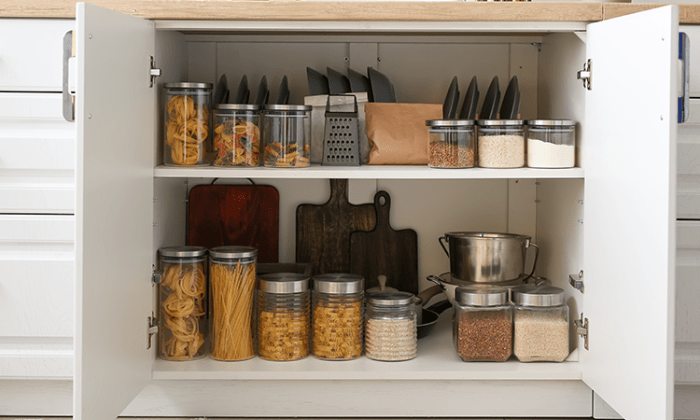
Feeling cramped in your home? Many struggle with limited space, but effective organization can transform even the smallest living area. This guide delves into practical strategies for maximizing space, from clever storage solutions and multifunctional furniture to decluttering techniques and psychological approaches to creating a more spacious feel. We’ll explore how to utilize vertical space, implement smart storage solutions, and even harness the power of minimalist design to achieve a comfortable and organized home, regardless of size.
We’ll cover a range of topics, including maximizing vertical space, utilizing multifunctional furniture, effective decluttering methods, and smart storage solutions for various rooms. Learn how to create a functional and visually appealing space, even within tight constraints. We will also touch upon the psychological benefits of a well-organized environment and how design principles can contribute to a sense of spaciousness.
Multifunctional Furniture
Multifunctional furniture is a cornerstone of effective space saving in smaller living areas. By combining the functions of several pieces into one, these clever designs maximize space utilization and enhance the overall efficiency of a room. Choosing the right multifunctional furniture can significantly impact the feel and functionality of a compact home.
Several types of multifunctional furniture offer significant space-saving advantages. These pieces cleverly integrate multiple functions, transforming a small space into a versatile and efficient living area.
Examples of Multifunctional Furniture
The following examples demonstrate the versatility and space-saving potential of multifunctional furniture pieces. Each item offers a unique combination of features designed to optimize limited space.
- Sofa Beds: These versatile pieces seamlessly transition from a comfortable seating area to a sleeping space, ideal for guest rooms or studios. They often feature built-in storage compartments underneath the seating cushions, providing additional space for linens or other items.
- Murphy Beds: These wall-mounted beds fold completely away into a cabinet or closet, freeing up valuable floor space during the day. Many models incorporate built-in shelving or desks, maximizing their utility. They are especially useful in studios or small apartments where space is at a premium.
- Ottoman Storage: Ottomans with built-in storage offer a stylish seating option while simultaneously providing concealed storage for blankets, pillows, or other items. The storage space can be accessed by lifting the seat cushion.
- Storage Benches: These pieces provide seating while offering hidden storage beneath the seat. They are versatile and can be placed in entryways, bedrooms, or living areas.
- Coffee Tables with Storage: These tables feature drawers, shelves, or lift-top mechanisms to conceal storage space, keeping clutter at bay.
Sofa Bed versus Murphy Bed: A Comparison
Both sofa beds and Murphy beds offer significant space-saving benefits, but they cater to different needs and preferences. A direct comparison reveals their unique strengths and weaknesses.
Sofa beds are generally more comfortable for everyday seating than Murphy beds. The mattress is typically more accessible and easier to make. However, they occupy floor space even when not used as a bed. Murphy beds, on the other hand, completely disappear into the wall, maximizing floor space, but can be less comfortable for daily use and require more effort to set up and put away.
The choice between a sofa bed and a Murphy bed depends on individual priorities. If comfortable seating is paramount, a sofa bed is a better choice. If maximizing floor space is the priority, a Murphy bed is the superior option.
Room Layout Incorporating Multifunctional Furniture
Consider a small studio apartment (approximately 300 square feet) as an example. Effective use of multifunctional furniture can dramatically improve its functionality and livability.
Imagine a space with a Murphy bed that folds neatly into a wall unit incorporating shelves and a small desk. This eliminates the need for a separate bed and desk, freeing up considerable floor space. A sofa bed could serve as both seating and a guest bed. An ottoman with storage would provide extra seating and concealed storage for blankets and pillows.
A coffee table with storage underneath would further contribute to minimizing clutter. This layout utilizes every square foot effectively, creating a functional and aesthetically pleasing living space.
Decluttering Strategies
Decluttering is crucial for maximizing space in a small apartment. It involves a systematic approach to identifying and removing unnecessary items, creating a more organized and functional living environment. Effective decluttering isn’t just about tidying; it’s about making conscious decisions about what you truly need and use. This process significantly impacts your living space, reducing visual clutter and freeing up valuable storage.
Decluttering a Small Apartment
Efficiently removing unnecessary items from a small apartment requires a strategic approach. Begin by dividing your space into manageable sections, focusing on one area at a time to avoid feeling overwhelmed. Consider using a three-box system: one for items to keep, one for donation, and one for discarding. This visual aid helps in making quick decisions about each item.
Remember to be honest with yourself about your usage and sentimental attachment to items. Frequently unused items are prime candidates for donation or disposal. For instance, if you haven’t worn a piece of clothing in a year, it’s likely time to let it go.
Decluttering a Kitchen: A Step-by-Step Guide
Effective kitchen decluttering maximizes space and improves efficiency. A methodical approach ensures a thorough and organized result.
- Clear the Counters: Start by removing everything from your kitchen counters. This provides a clean slate and allows you to assess what you actually need on your counters for daily use.
- Clean and Organize Cabinets: Thoroughly clean the inside of your cabinets before putting anything back. This helps to identify any damaged or unusable items. Group similar items together – for example, all spices in one area, all baking supplies in another.
- Pantry Organization: Organize pantry items by category and expiration date. Place frequently used items at eye level and less frequently used items on higher or lower shelves. Consider using clear containers to easily see what you have.
- Declutter Utensils and Gadgets: Go through your drawers and assess your utensils and kitchen gadgets. Discard or donate any duplicates or items you rarely use. Consider vertical storage solutions for maximizing drawer space.
- Appliance Assessment: Evaluate your appliances. Do you really need two blenders or that seldom-used bread maker? Consider donating or selling underutilized appliances to free up valuable counter and cupboard space.
Decluttering Clothes: A Sorting Strategy
Creating a functional wardrobe in a small space requires a strategic approach to clothing decluttering. This involves a thorough evaluation of each garment to determine its future.
Begin by taking everything out of your closet and drawers. Lay out all your clothes and assess each item individually. Ask yourself these questions: Have I worn this in the past year? Does it still fit? Is it in good condition?
Does it make me feel good when I wear it?
Based on your assessment, categorize each item into one of three groups:
- Keep: These are the clothes you wear regularly, fit well, and make you feel confident. These items should be neatly stored in your closet or drawers.
- Donate: These are clothes that are in good condition but you no longer wear. These can be donated to a charity or a secondhand store.
- Discard: These are clothes that are damaged, stained, or beyond repair. These should be disposed of responsibly.
Smart Storage Solutions
Maximizing space in a small home or apartment often hinges on clever storage solutions. By implementing strategic storage methods, you can significantly improve organization and create a more comfortable living environment. This section will explore several effective techniques for maximizing storage capacity within limited space.Effective utilization of often-underutilized areas, combined with smart choices in storage containers, can transform your home’s storage capabilities.
We’ll focus on practical strategies that are both efficient and aesthetically pleasing.
Under-Bed Storage Containers
Under-bed storage offers significant untapped potential. Utilizing the space beneath your bed allows for the storage of out-of-season clothing, extra bedding, or infrequently used items, keeping them neatly tucked away and freeing up valuable closet or dresser space. Several container types are ideal for this purpose. Plastic storage bins with lids are a popular choice due to their durability, affordability, and resistance to moisture and dust.
Fabric storage bins provide a softer, more aesthetically pleasing option, often with clear windows for easy viewing of contents. Vacuum-sealed bags are excellent for bulky items like blankets and comforters, significantly reducing their volume.To optimize the use of under-bed storage, consider organizing items by category. For example, group all winter clothing in one container, summer clothing in another, and so on.
Labeling each container clearly with its contents is essential for quick and easy retrieval. Using dividers within larger containers can further improve organization for smaller items. Rolling containers on wheels can facilitate easier access, particularly for those with low-profile beds.
Stackable Storage Bins for Closet Optimization
Closets, often a battleground for clutter, can benefit immensely from the use of stackable storage bins. These bins maximize vertical space, a crucial factor in small spaces. Clear plastic bins allow for easy identification of contents without having to rummage through the entire stack. Cloth bins offer a softer aesthetic and can be used to store items that might be damaged by hard plastic.
The key to effective use lies in consistency: using uniformly sized bins allows for stable stacking and prevents the structure from toppling.Stackable bins can be used to store a wide range of items, from folded clothing and shoes to accessories and linens. By strategically organizing items by category and color, you can create a visually appealing and functional closet system.
For example, place frequently used items in the lower, more accessible bins, and store less frequently used items higher up.
Creative Storage Solutions for Small Spaces
Small spaces often necessitate creative solutions to maximize storage. Wall-mounted shelves provide a versatile option, offering additional storage without taking up valuable floor space. These shelves can be used to display decorative items, store books, or hold frequently used items, keeping them readily accessible. The style and material of the shelves can be chosen to complement the overall decor of the room.Over-the-door organizers are another space-saving marvel, particularly for closets and bathrooms.
These organizers utilize otherwise wasted space on the back of doors, providing additional storage for shoes, toiletries, or cleaning supplies. They come in various designs and sizes, offering customization options to suit individual needs. Utilizing the vertical space behind doors dramatically increases storage capacity without impacting the usable floor space.
Space Saving in Specific Rooms
Optimizing space in smaller rooms requires creative solutions and strategic planning. By implementing smart storage and organizational techniques, even the smallest spaces can feel open and functional. This section will explore practical strategies for maximizing space in bathrooms, home offices, and kitchens.
Maximizing Space in a Small Bathroom
Efficient bathroom storage is crucial for maintaining a clean and organized space. A well-planned approach can significantly improve functionality and prevent clutter from accumulating. The following table illustrates various storage ideas categorized by their function and space requirements.
| Storage Solution | Item Type | Space Saving Feature | Example |
|---|---|---|---|
| Over-the-toilet storage unit | Toiletries, towels, cleaning supplies | Utilizes often-wasted vertical space | A tall, narrow cabinet with shelves and drawers that fits neatly above the toilet. |
| Recessed shelving | Shampoo, conditioner, body wash | Integrates seamlessly into the wall, maximizing usable space | Built-in shelves within the wall cavity, accessible from the shower or tub. |
| Under-sink organizer | Cleaning products, extra toiletries | Optimizes the space under the sink, preventing items from piling up | A tiered system of drawers or baskets that fit snugly under the sink. |
| Wall-mounted cabinets | Towels, linens, first-aid kit | Provides additional storage without taking up floor space | Small, shallow cabinets mounted on the wall above the sink or elsewhere. |
Creating a Functional and Organized Home Office in a Limited Space
A small home office can be both productive and aesthetically pleasing with careful planning. The key is to maximize vertical space and utilize multi-functional furniture. This involves selecting pieces that serve multiple purposes and employing clever storage solutions to keep work materials organized and easily accessible.
Optimizing Storage in a Small Kitchen
Efficient kitchen storage is essential for maintaining a functional and clutter-free cooking environment. This requires thoughtful organization of dishes, cookware, and food items to maximize limited space. Careful planning and the use of space-saving tools are key to success. For instance, utilizing vertical space with stacked shelving units or hanging pot racks frees up valuable counter and cabinet space.
Employing drawer dividers to organize utensils and cutlery improves efficiency and prevents items from becoming jumbled. Clear containers for food storage not only improve visibility but also help maintain freshness and prevent spoilage. Furthermore, utilizing the space inside cabinet doors with slim organizers provides additional storage for frequently used items like spices or cutting boards. Using stackable containers for food storage optimizes shelf space and maintains an organized pantry.
The Psychology of Space Saving
Creating a well-organized home isn’t just about aesthetics; it significantly impacts our mental well-being. A cluttered environment can lead to stress, anxiety, and difficulty concentrating, while a tidy space promotes calmness and focus. Efficient organization transforms our living spaces, fostering a more positive and productive atmosphere.Clutter’s negative impact on mental health is well-documented. Studies show a correlation between cluttered homes and increased levels of cortisol, the stress hormone.
The constant visual stimulation of disorganization can overwhelm the brain, making it harder to relax and focus on tasks. Conversely, a clean and organized space reduces visual distractions, allowing for better concentration and a sense of control over one’s environment. This translates to reduced stress and improved mental clarity.
Minimalist Design Principles and Spaciousness
Minimalist design emphasizes simplicity and functionality, removing unnecessary items to create a sense of openness and calm. By focusing on essential pieces and decluttering unnecessary possessions, a feeling of spaciousness is achieved, even in smaller living areas. This is not about living with nothing; it’s about thoughtfully curating possessions that add value and joy to our lives, eliminating items that contribute to visual clutter and mental overwhelm.
A minimalist approach involves strategically choosing furniture and décor with clean lines and neutral colors, maximizing the sense of space. For example, replacing a large, ornate bookshelf with a sleek, wall-mounted shelving unit can significantly improve the visual flow of a room.
The Impact of Lighting and Color Schemes on Perceived Space
Proper lighting and strategic color choices can dramatically alter the perceived size of a room. Bright, natural light makes a space feel larger and more airy. Maximizing natural light sources and using light-colored paint on walls and ceilings reflects light, further enhancing the illusion of spaciousness. Darker colors, while aesthetically pleasing in some contexts, can make a room feel smaller and more enclosed.
For example, a small bedroom painted in a light, neutral shade like off-white or pale gray will feel considerably larger than one painted a deep navy blue. Strategic placement of mirrors can also amplify light and create the illusion of depth, effectively expanding the perceived size of a room. A large mirror positioned opposite a window, for instance, will reflect the natural light, doubling its effect and making the room seem more spacious.
By implementing these space-saving organization tips, you can significantly improve your living environment. Remember, the key lies in a combination of strategic planning, efficient decluttering, and the creative use of storage solutions. Transforming a cluttered space into an organized and functional haven is achievable with the right approach. Embrace the principles of minimalism, utilize vertical space effectively, and enjoy the benefits of a more spacious and calming home.
The result will be not just a tidier home, but a more peaceful and productive living environment.
Essential Questionnaire
What are some quick wins for decluttering?
Start with one small area, like a drawer or shelf. Discard anything broken, unused, or unwanted. Donate or sell items in good condition. This small success builds momentum.
How can I make my closet feel bigger?
Use vertical space with shelf dividers and hanging organizers. Light, neutral colors create an illusion of more space. Remove anything you don’t wear regularly.
What are some affordable storage solutions?
Over-the-door organizers, stackable bins, and under-bed storage containers are cost-effective ways to maximize storage without major renovations.


