Navigating the challenges of limited living space is a common experience for students. Cramped dorm rooms and small apartments often necessitate creative solutions to maintain organization and comfort. This guide delves into practical strategies for maximizing space, focusing on furniture selection, decluttering techniques, smart storage solutions, and the benefits of a minimalist approach. We’ll explore how to transform a small space into a functional and aesthetically pleasing environment conducive to learning and relaxation.
From clever furniture arrangements and vertical space utilization to embracing digital organization and multifunctional gadgets, we’ll provide a comprehensive overview of effective space-saving methods tailored specifically to the needs of students. By implementing these strategies, students can create a more efficient and stress-free living environment, allowing them to focus on their studies and overall well-being.
Furniture Selection and Arrangement
Optimizing space in a student’s room requires careful consideration of furniture choices and their arrangement. Selecting the right pieces and strategically placing them can significantly impact the overall functionality and feel of the space, transforming a cramped room into a comfortable and efficient study environment. This section will explore various space-saving furniture options and effective room layout strategies.
Space-Saving Furniture Options
Choosing furniture with multiple functions or compact designs is crucial for maximizing space. The following table details some excellent options:
| Name | Description | Benefits | Image Description |
|---|---|---|---|
| Loft Bed | A bed raised high off the ground, creating space underneath for a desk, storage, or seating area. | Maximizes floor space; creates a multi-functional area. | A tall bed frame with a ladder leading to the sleeping platform; underneath, a desk and bookshelf are visible. |
| Murphy Bed | A bed that folds away into a wall cabinet, completely disappearing when not in use. | Reclaims floor space entirely when not sleeping; ideal for studio apartments or rooms with limited space. | A wall-mounted cabinet that opens to reveal a neatly folded bed; when closed, it resembles a standard wall unit. |
| Storage Ottoman | An ottoman with built-in storage for blankets, books, or other items. | Provides extra seating and valuable storage in a single piece of furniture. | A cushioned ottoman with a hinged lid revealing interior storage space; the exterior is upholstered in a neutral fabric. |
| Under-Bed Storage | Containers or drawers designed to fit under a bed, utilizing otherwise wasted space. | Adds significant storage capacity without taking up additional floor space. | Several plastic storage bins neatly arranged under a bed, easily accessible by pulling them out. |
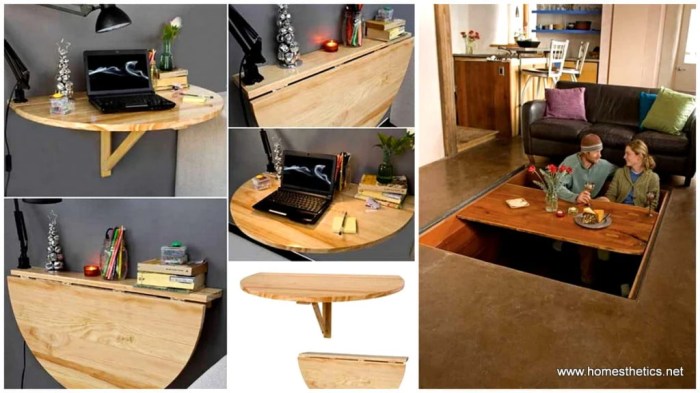
| Foldable Desk | A desk that can be folded away against a wall or stored when not in use. | Saves significant space when not studying; can be easily stored in a closet or corner. | A simple, rectangular desk that folds in half, allowing it to be stored flat against a wall; it has a smooth, light-colored surface. |
Room Layout Strategies
Effective room layout is key to maximizing space. Here are three different arrangements for a small student room:
Layout 1: The Loft Bed Layout This layout centers around a loft bed. The space beneath the bed is used for a desk and shelving unit, maximizing vertical space. A small wardrobe is placed in a corner, and a comfortable chair is positioned near the window for relaxation.
Layout 2: The Murphy Bed Layout This layout utilizes a Murphy bed, which folds away into the wall during the day, creating a large open space for studying or relaxing. A desk is placed near a window, providing ample natural light, and a small storage unit is placed in a corner.
Layout 3: The Multi-Functional Layout This layout incorporates multi-functional furniture. A storage ottoman serves as additional seating, and under-bed storage containers hold extra belongings. A foldable desk is used to save space when not needed, allowing for more floor space for movement and activities.
Vertical Space Utilization
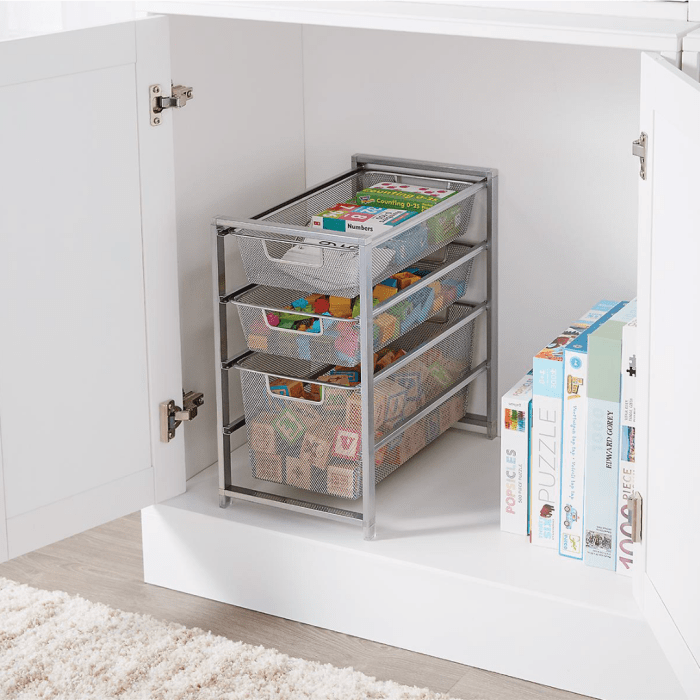
Utilizing vertical space is paramount in small rooms. Shelving units, wall-mounted organizers, and tall bookcases are excellent examples of furniture that leverage vertical space efficiently. Installing hooks on walls for bags and coats further frees up floor space. A combination of high shelving and under-bed storage can dramatically increase storage capacity without compromising floor space.
Decluttering and Organization
Maintaining a clutter-free and organized student room is crucial for both academic success and overall well-being. A tidy space promotes focus, reduces stress, and fosters a more productive learning environment. This section will offer practical strategies for decluttering and organizing your study area, leading to a more efficient and enjoyable student life.
Decluttering Strategies for Students
Effective decluttering involves a systematic approach. Begin by identifying items you no longer need, use, or want. This might include old assignments, outdated textbooks, broken gadgets, or clothes you haven’t worn in months. Don’t be afraid to let go of things that hold sentimental value but no longer serve a practical purpose. Consider donating usable items to charity, recycling what’s recyclable, and responsibly discarding the rest.
Remember, the goal is to create a space that is functional and conducive to learning, not a storage unit. Regular decluttering sessions, even short ones, can prevent clutter from accumulating and becoming overwhelming.
Organizing a Student Desk and Study Area
A well-organized desk and study area significantly impacts productivity. The following steps Artikel a systematic approach to achieving this:
- Clear the Surface: Start by removing everything from your desk and study area. This provides a clean slate for reorganization.
- Sort and Categorize: Group similar items together. This might include stationery, textbooks, electronic devices, and personal items.
- Discard Unnecessary Items: Get rid of anything you don’t need, use, or want, as discussed in the previous section.
- Utilize Storage Solutions: Employ desk organizers, drawers, shelves, and other storage solutions to keep items neatly contained. Consider using vertical space efficiently with stackable containers or drawer dividers.
- Establish Zones: Designate specific areas for different tasks. For example, one area for writing, another for reading, and a third for electronic devices.
- Maintain the System: Regularly tidy your desk and study area to prevent clutter from building up again. Aim for a quick tidy-up at the end of each study session.
Benefits of Regular Decluttering and Organization
The positive impact of a clean and organized study space extends beyond aesthetics. A clutter-free environment reduces distractions, allowing for improved concentration and focus. This leads to increased productivity and better academic performance. Furthermore, a tidy space contributes to reduced stress and anxiety, promoting a sense of calm and control, which is particularly important during demanding academic periods.
Regular decluttering and organization practices contribute significantly to a student’s overall well-being and success.
Digital Organization and Minimalism
Digital organization is more than just a trendy concept; it’s a powerful tool for maximizing space and minimizing stress in a student’s life. By transitioning to digital formats for many of your academic and personal materials, you can significantly reduce the physical clutter that often accumulates in a student’s room. This shift towards digital minimalism not only frees up valuable space but also contributes to a more focused and productive study environment.The key to effectively leveraging digital organization lies in establishing a structured system for storing and accessing your files.
This reduces the time spent searching for information, and also decreases the need to print out countless documents. By consolidating your digital assets, you effectively free up physical space previously occupied by overflowing notebooks, folders, and stacks of papers.
Digitizing Notes and Documents
Creating a streamlined digital study space involves systematically transferring your physical notes and documents into digital formats. Start by scanning or photographing your existing handwritten notes, ensuring high-quality images for easy readability. Consider using note-taking apps like Evernote, OneNote, or Google Keep, which allow for organization using tags, folders, and search functionalities. For documents, consider using cloud storage services such as Google Drive, Dropbox, or OneDrive to store and access files from any device.
Organize your digital files using a consistent naming convention (e.g., by course, date, or project) for efficient retrieval. Regularly delete unnecessary files to maintain a clutter-free digital environment.
Advantages of Digital Minimalism for Students
Adopting a minimalist approach to both physical and digital possessions offers numerous benefits for students. A decluttered environment, whether physical or digital, reduces distractions and promotes better concentration. The ease of accessing information digitally reduces stress associated with searching for lost papers or forgotten notes. A minimalist approach encourages a more mindful consumption of resources and reduces the environmental impact of excessive paper usage.
Furthermore, a streamlined digital workspace can improve workflow efficiency and time management skills, leading to better academic performance. For example, a student who efficiently organizes their digital notes can easily locate specific information for assignments, reducing the time spent searching and increasing the time spent studying. This increased efficiency can translate into improved grades and reduced stress levels.
Ultimately, maximizing space in a student’s living area is not just about physical organization; it’s about cultivating a mindful and productive environment. By embracing smart furniture choices, effective decluttering techniques, and digital minimalism, students can create a space that promotes both efficiency and well-being. The strategies Artikeld here empower students to transform their small living spaces into functional, comfortable, and inspiring havens for learning and personal growth.
Remember that consistent effort in maintaining an organized space contributes significantly to reducing stress and enhancing overall productivity.
Questions and Answers
Can I use vertical space effectively in a small closet?
Absolutely! Utilize shelf dividers, hanging organizers, and stackable storage bins to maximize vertical space in your closet. This will significantly increase storage capacity.
How can I afford space-saving furniture?
Look for affordable options at secondhand stores, online marketplaces, and student discount programs. Consider building some simpler pieces yourself if you are handy.
What if I’m emotionally attached to items I should declutter?
Take photos of sentimental items before donating or discarding them. This allows you to keep the memories without the physical clutter. Consider a “memory box” for a small selection of truly irreplaceable items.
How often should I declutter my study space?
Aim for a quick tidy-up daily and a more thorough declutter at least once a week. This prevents clutter from building up and keeps your workspace functional.


