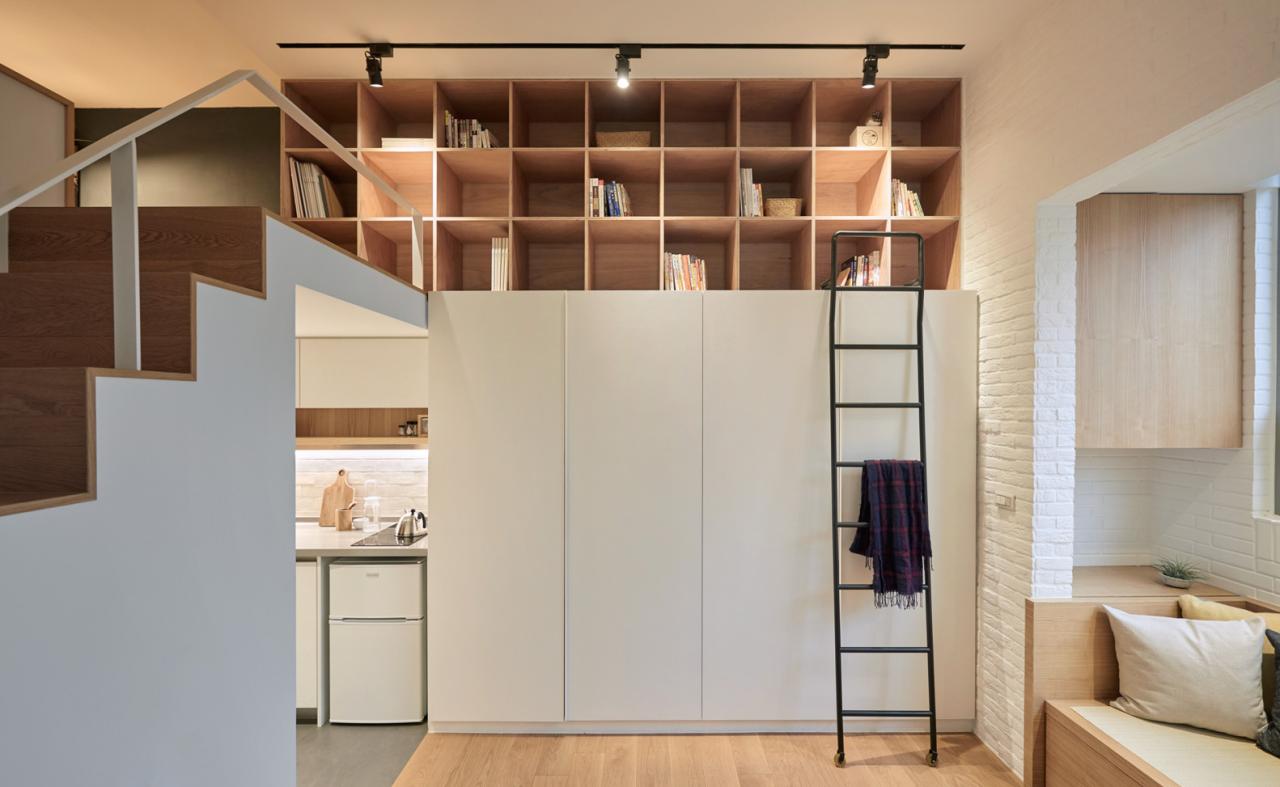
Efficiently utilizing limited space is a constant challenge, especially in modern living. This exploration delves into the realm of space-saving storage solutions, examining various types, their applications in different areas of the home, and the economic considerations involved. We’ll cover everything from clever furniture designs to organizational strategies that help transform cramped spaces into functional and aesthetically pleasing environments.
From maximizing vertical space in apartments to creating accessible storage for individuals with limited mobility, we will provide practical solutions and design tips. We will also explore the subtle differences between “space enhancer” and “space saving” concepts and how their integration can improve the overall living experience. Understanding the costs, both upfront and long-term, will also be a key element of this discussion.
Types of Space-Saving Storage Solutions
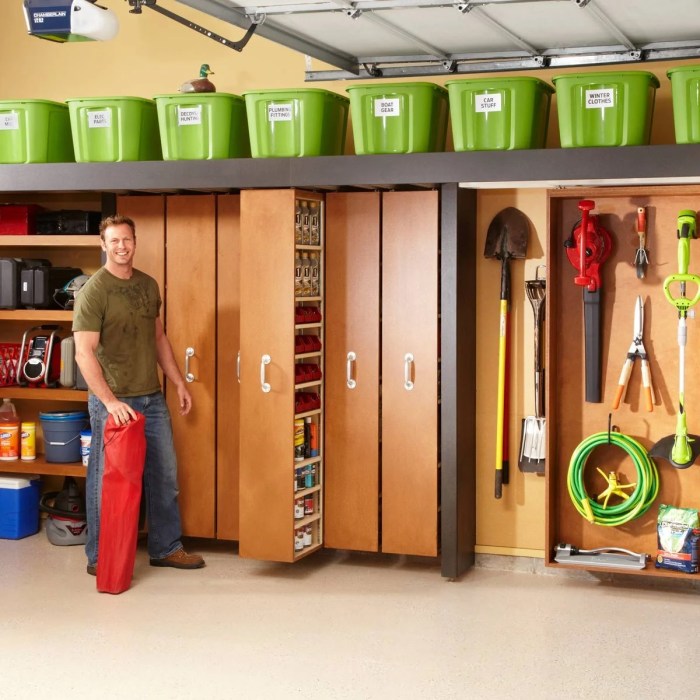
Maximizing space in our homes is a constant challenge, especially in smaller living spaces. Fortunately, a wide array of space-saving storage solutions are available to help us organize our belongings efficiently and aesthetically. These solutions range from simple organizational tools to cleverly designed furniture, all aimed at making the most of every square foot.
Space-Saving Storage Solutions by Room
The application of space-saving storage varies greatly depending on the room’s function and the types of items stored. Consider these examples tailored to different areas of the home.
| Room | Solution | Description | Benefits |
|---|---|---|---|
| Bedroom | Under-bed storage containers | Plastic or fabric containers designed to fit neatly under the bed, ideal for storing seasonal clothing, extra bedding, or off-season items. | Maximizes unused space under the bed, keeps items organized and hidden from view. |
| Kitchen | Pull-out pantry shelves | Adjustable shelves that slide out from the pantry, allowing easy access to items stored in the back. | Improves pantry organization, eliminates the need to rummage through stacked items. |
| Bathroom | Over-the-toilet storage cabinet | A tall, narrow cabinet designed to fit over the toilet, providing extra storage for toiletries, towels, and cleaning supplies. | Utilizes often-wasted vertical space, keeps bathroom essentials organized and readily accessible. |
| Living Room | Ottoman with storage | An ottoman with a built-in compartment for storing blankets, pillows, or remote controls. | Provides extra seating and concealed storage in one piece of furniture. |
Advantages and Disadvantages of Space-Saving Storage Types
Different approaches to space-saving storage offer unique advantages and disadvantages. Let’s compare three common types: vertical storage, foldable furniture, and multi-functional furniture.Vertical storage, which utilizes the often-unused vertical space, maximizes capacity in a small footprint. However, it can be challenging to access items stored high up, and may require a step stool. Foldable furniture, such as folding tables or chairs, provides flexibility and the ability to reclaim space when not in use.
The downside is that it may require more effort to set up and put away, and the materials might not be as durable as solid furniture. Multi-functional furniture, combining storage with other functions (like a sofa bed or a coffee table with drawers), is highly efficient in space usage. However, these pieces often come at a higher cost and might lack the specialized features of dedicated storage units.
Materials Used in Space-Saving Storage Solutions
The materials used significantly impact both the durability and cost of space-saving storage solutions. Plastic containers are generally affordable and lightweight, but may not be as durable as metal or wood. Metal shelving units offer robustness and longevity, but can be more expensive and heavier. Wooden furniture often provides a more aesthetic appeal, but requires more care and maintenance, and can be the most costly option.
Fabric storage solutions, such as collapsible bins or storage cubes, offer portability and affordability but might not be suitable for heavy items or long-term storage. The choice of material ultimately depends on individual needs, budget, and the intended use of the storage solution.
Space-Saving Storage Solutions for Specific Needs
Effective space-saving strategies are crucial for optimizing living and working environments. The optimal solution depends heavily on individual needs and the available space. This section explores tailored storage solutions for specific contexts, emphasizing functionality and user-friendliness.
Space-Saving Storage in Small Apartments
Maximizing vertical space and utilizing often-overlooked areas are key to successful storage in small apartments. A well-designed system integrates multiple solutions to create a seamless and efficient storage experience. Consider a combination of solutions to meet diverse storage needs.
For example, a system could include tall, narrow shelving units reaching the ceiling to maximize vertical space. These units can hold books, dishes, and other items. Under-bed storage containers on wheels can easily slide out, making accessing items simple. Utilizing the space above doorways with slim, floating shelves offers additional storage for decorative items or frequently used items.
Over-the-door organizers can hold shoes, cleaning supplies, or toiletries. Finally, multi-functional furniture, such as ottomans with built-in storage or beds with integrated drawers, is essential to maximize space without sacrificing comfort or style. The key is to strategically combine vertical space usage with clever solutions for hidden storage.
Space-Saving Storage for Individuals with Limited Mobility
Accessibility and ergonomic design are paramount when designing storage for individuals with limited mobility. The goal is to ensure that all items are easily reachable without excessive bending, stretching, or strain.
Solutions should prioritize ease of access. This means incorporating pull-out drawers and shelves, rather than deep cupboards that require reaching or bending. Adjustable shelving units allow for customization based on the user’s height and reach. Lightweight, mobile storage units with wheels enable easy repositioning. Items frequently used should be stored at easily accessible heights.
Consider using labeled containers to quickly identify items. The emphasis is on designing a system that promotes independence and reduces physical strain.
Space-Saving Storage for Hobbyists
Hobbyists often accumulate a large quantity of specialized equipment and supplies. Efficient storage solutions are vital for organization and easy access. The specific needs vary greatly depending on the hobby.
For example, a crafter might benefit from clear, stackable storage containers for beads, buttons, and other small items. A rolling cart with drawers could hold paints, brushes, and other art supplies. Pegboards or wall-mounted organizers are excellent for tools and smaller items. For sports equipment, vertical storage racks for bicycles or sporting goods are practical space savers.
Clear, labeled containers help maintain organization and easily locate items. Modular shelving systems can be adjusted as collections grow or needs change, ensuring flexibility for evolving hobbies and collections.
Optimizing Space with Design and Organization
Effective space-saving storage is not just about acquiring the right containers; it’s about strategically integrating them into your existing space and organizing their contents for maximum efficiency. Clever design choices and organizational strategies can dramatically improve the functionality and perceived size of even the smallest room.
Strategic placement of storage solutions significantly impacts a room’s visual spaciousness. Light colors reflect more light, making a room feel larger and airier than dark colors, which absorb light. For instance, painting a small room in a light, neutral color like pale gray or soft white will make it appear more expansive. Similarly, using light-colored furniture and storage units will contribute to this effect.
Conversely, placing large, dark-colored storage units in a corner can visually shrink the space. Consider using mirrors strategically to reflect light and create the illusion of depth. A large mirror placed opposite a window will bounce natural light deeper into the room, making it seem significantly larger.
Visual Expansion Techniques
Light and color play a crucial role in how we perceive space. Using a consistent color palette throughout the room, including on walls, furniture, and storage units, creates a sense of flow and openness. Avoid using too many contrasting colors, which can visually break up the space and make it feel smaller. Maximizing natural light is essential; keep windows unobstructed and consider using sheer curtains to allow ample light while maintaining privacy.
Artificial lighting should be strategically placed to highlight key areas and avoid creating dark corners that make a room feel cramped. Consider using layered lighting, combining ambient, task, and accent lighting for a well-lit and spacious feel.
Optimizing Storage Unit Organization
Effective organization within space-saving units is crucial to maximizing their capacity and ensuring easy access to items. For example, vertical dividers in drawers can separate items neatly, preventing them from becoming jumbled. Using clear, stackable containers allows you to see the contents at a glance, reducing the time spent searching for items. Labeling these containers with clear, concise labels further enhances accessibility.
In closets, utilizing shelf dividers helps to prevent clothes from collapsing, maximizing vertical space and making it easier to find specific items. Hanging organizers can also be used to store shoes or accessories, keeping them off the floor and freeing up valuable shelf space. For pantries, employing tiered shelves and utilizing the vertical space efficiently with stackable containers is key to maximizing storage capacity.
Common Space-Saving Storage Mistakes
One common mistake is purchasing storage solutions without measuring the available space. This often results in units that are either too large or too small for the intended location, leading to wasted space or inefficient storage. Another mistake is overcrowding storage units. While maximizing space is important, cramming too many items into a unit makes it difficult to access items and can damage the unit itself.
Finally, failing to organize items within the units is another frequent error. This results in a disorganized mess, making it difficult to find things and ultimately negating the benefits of space-saving storage. Planning and measuring before purchase, utilizing clear containers and labeling, and regularly purging unnecessary items are crucial for successful space-saving storage.
The Economics of Space-Saving Storage
Investing in space-saving storage solutions is more than just a home organization project; it’s a financial decision with both immediate and long-term implications. Understanding the costs and potential returns on investment can help you make informed choices that align with your budget and lifestyle. This section explores the financial aspects of optimizing your storage, considering initial costs, long-term savings, and the potential impact on your home’s value.
Cost Comparison of Space-Saving Storage Solutions
The cost of space-saving storage varies significantly depending on the type of solution, materials used, and included features. Below is a comparison of common options, offering a general range of prices. Note that these are average costs and can fluctuate based on brand, retailer, and specific product specifications.
| Solution Type | Average Cost | Material | Features |
|---|---|---|---|
| Vertical Shelving Units | $50 – $500 | Wood, Metal, Plastic | Adjustable shelves, varying heights and widths |
| Under-Bed Storage Containers | $20 – $100 | Plastic, Fabric | Roll-out drawers, zippered closures, varying capacities |
| Stackable Storage Bins | $10 – $50 (per bin) | Plastic, Fabric | Various sizes, often with lids, some are clear for easy visibility |
| Vacuum-Sealed Storage Bags | $15 – $40 (per set) | Plastic | Space-saving compression, airtight seal to protect contents |
| Built-in Cabinets/Wardrobes | $500 – $5000+ | Wood, MDF, Laminate | Customizable design, integrated storage solutions, often part of a larger renovation |
Long-Term Cost Savings from Space-Saving Storage
Implementing space-saving storage solutions leads to significant long-term cost savings in several ways. Reduced clutter minimizes the need for purchasing additional storage containers or renting off-site storage units. Improved organization increases efficiency, saving time spent searching for items. For example, a family who previously spent an average of 30 minutes per week searching for misplaced items might save 15 hours annually—time that can be used for more productive or leisure activities.
Moreover, the prevention of damage to items due to better organization can reduce replacement costs. Properly stored items last longer and are less prone to damage.
Impact of Space-Saving Storage on Home Value
Investing in well-designed and implemented space-saving storage solutions can positively impact your home’s value. Potential buyers appreciate homes with efficient use of space and organized storage. Features such as custom-built cabinets or cleverly designed closets can be significant selling points, particularly in smaller homes or apartments. For example, a home with well-organized closets and a customized pantry may sell for a higher price compared to a similar home with cramped, disorganized storage spaces.
This is especially true in competitive real estate markets where buyers are seeking convenience and functionality.
Space Enhancer Space Saving
Space-saving solutions often prioritize functionality and efficient use of limited space. Space enhancement, however, takes a broader view, encompassing not only efficient storage but also the improvement of the overall aesthetic appeal and functionality of a room. While both aim to maximize space, their approaches differ subtly. Space saving focuses primarily on minimizing the physical footprint of items, whereas space enhancement considers the psychological and visual impact of design and organization alongside physical efficiency.The key distinction lies in the holistic approach of space enhancement.
It seeks to create a feeling of spaciousness and improved flow, even within a small area. This is achieved through strategic use of color, light, mirrors, and clever design features that visually expand the space. Space-saving, on the other hand, is more directly concerned with maximizing storage capacity through the use of compact furniture and innovative storage solutions. Both approaches, however, are often complementary and work best when integrated.
Examples of Products and Design Principles Embodying Both Concepts
Many products and design principles successfully integrate both space-saving and space-enhancing elements. For instance, a Murphy bed, while saving space by disappearing into a wall, can also enhance the room’s aesthetic appeal if cleverly integrated into the overall design, perhaps with built-in shelving or a decorative facade. Similarly, multi-functional furniture, such as ottomans with built-in storage, combines practical space-saving with an enhanced aesthetic, providing both extra seating and concealed storage.
Light-colored walls and strategic mirror placement are space-enhancing techniques that don’t directly save space but create a perception of greater openness and brightness, making even compact rooms feel more expansive. This visual spaciousness complements the practical space-saving achieved through other means.
Integration of Space-Saving and Space-Enhancing Concepts for Efficient and Aesthetically Pleasing Living Spaces
The synergistic combination of space-saving and space-enhancing techniques leads to significantly more efficient and visually appealing living spaces. For example, consider a small apartment using built-in, custom cabinetry that maximizes storage while maintaining a sleek, modern aesthetic. The cabinetry not only provides ample storage for clothes and other belongings but also contributes to a clean, uncluttered look that enhances the feeling of spaciousness.
The careful selection of light colors, strategically placed mirrors, and well-placed lighting further amplifies this effect, creating a harmonious balance between functionality and visual appeal. This integrated approach transforms a potentially cramped space into a comfortable and aesthetically pleasing environment. The result is a space that feels larger than its physical dimensions suggest, offering both practical functionality and visual delight.
Ultimately, effective space-saving storage is about more than just cramming items away; it’s about creating a functional and visually appealing environment that enhances your lifestyle. By carefully considering the type of storage, its placement, and organizational methods, you can transform a small space into a comfortable and efficient living area. The initial investment in smart storage solutions often pays off handsomely in terms of increased home value, reduced stress from clutter, and improved quality of life.
Frequently Asked Questions
What are the best materials for long-lasting space-saving storage?
Durable materials like solid wood, high-quality melamine, and sturdy metal offer longevity. Consider the intended use and climate when choosing materials.
How can I determine the right size of storage for my needs?
Measure the space carefully and consider the items you need to store. Prioritize frequently accessed items for easier reach.
Are there space-saving solutions suitable for outdoor storage?
Yes, weather-resistant storage sheds, chests, and vertical shelving units designed for outdoor use are available.
Can I DIY space-saving storage solutions?
Many simple solutions can be DIYed using readily available materials, but complex projects may require professional assistance.


