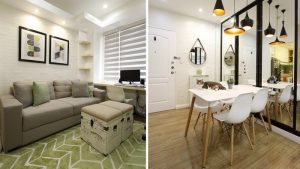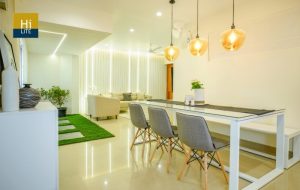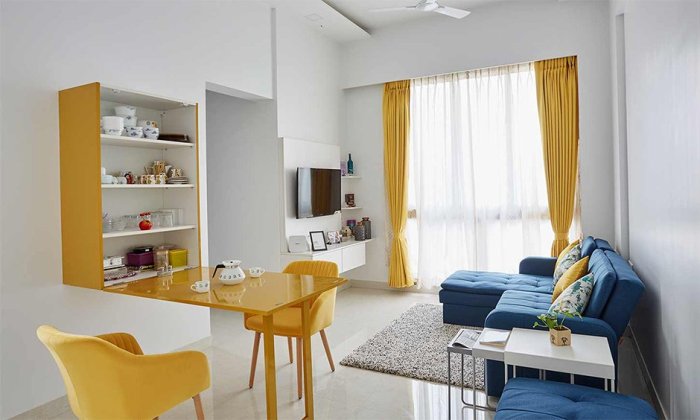
Transforming a small living room into a functional and stylish space requires clever planning and creative solutions. This exploration delves into practical strategies for maximizing space, from multifunctional furniture and innovative storage solutions to the strategic use of light and color. We’ll uncover design principles that enhance the perception of spaciousness, even in the most compact living areas, ensuring both comfort and aesthetic appeal.
This guide provides a comprehensive overview of techniques to optimize your living room’s layout and functionality, regardless of its size. We’ll examine various design elements, including furniture selection, storage optimization, lighting strategies, and decorative choices, offering practical advice and inspiring ideas to create a living space that is both inviting and efficient.
Multifunctional Furniture
Maximizing space in a small living room often requires creative solutions, and multifunctional furniture offers a compelling approach. By selecting pieces that serve multiple purposes, you can significantly increase the functionality of your space without compromising on style or comfort. This approach allows for a more efficient use of square footage, leading to a less cluttered and more relaxing environment.
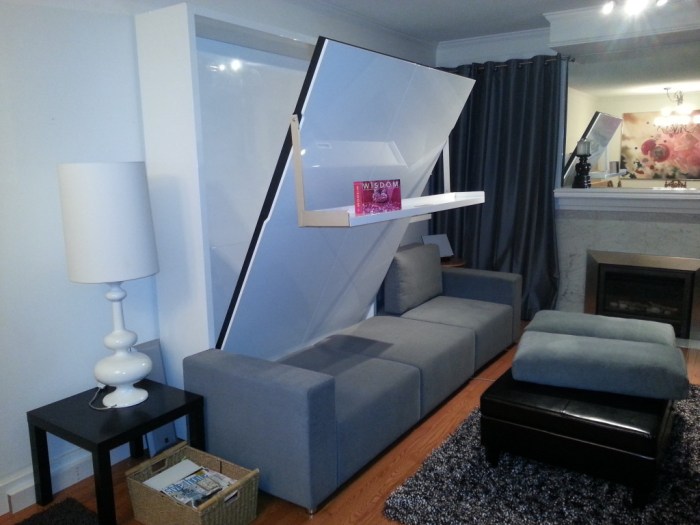
Consider a living room designed around the principle of multifunctional furniture. Imagine a sleek, light grey linen sofa bed, offering comfortable seating during the day and a convenient sleeping space for guests. Paired with this is a large, square ottoman upholstered in a durable, textured fabric like bouclé in a coordinating charcoal grey. This ottoman not only provides extra seating but also features ample hidden storage beneath its lift-up lid, perfect for storing blankets, pillows, or games.
Completing the set is a minimalist coffee table made of light oak with hidden compartments, ideal for stashing remotes, magazines, or other small items. The overall style is contemporary and understated, emphasizing clean lines and neutral colors to create a sense of spaciousness.
Comparison of Multifunctional Furniture Types
The following table compares the pros and cons of various multifunctional furniture options for small living rooms.
| Furniture Type | Pros | Cons | Space-Saving Considerations |
|---|---|---|---|
| Sofa Bed | Provides both seating and sleeping space, ideal for guests. | Can be less comfortable than a dedicated sofa or bed. May be bulky when unfolded. | Choose a sofa bed with a slim profile and consider the unfolded dimensions carefully. |
| Storage Ottoman | Offers extra seating and valuable storage space. | Storage capacity may be limited depending on size. | Select an ottoman with a large storage capacity relative to its footprint. |
| Convertible Table | Can be adjusted to different heights and configurations, serving as a coffee table, dining table, or workspace. | May require more assembly and disassembly. Might be less stable than a dedicated table. | Choose a convertible table with a sturdy design and smooth mechanisms for easy transformation. |
Benefits of Modular Furniture Systems
Modular furniture systems offer unparalleled flexibility for small living rooms. These systems consist of individual units that can be combined and rearranged to create different configurations as your needs evolve.
For instance, a modular sofa system might include several individual seating units, allowing you to create a large sectional for movie nights or separate smaller seating areas for conversation. These units can be easily reconfigured to fit different spaces or to accommodate changes in household size or lifestyle. Similarly, modular shelving units can be adapted to fit around existing features or to accommodate varying storage needs.
The ability to customize and rearrange these systems makes them highly adaptable and space-efficient solutions for small living areas.
Clever Storage Solutions
Maximizing storage in a small living room requires a strategic approach that blends functionality with aesthetics. By carefully selecting furniture and employing clever storage techniques, you can create a spacious and organized living area, even within limited square footage. This section explores several effective methods for achieving this.
Visually Appealing Storage System Design
A well-designed storage system can be both functional and a stylish focal point. Consider a modular shelving unit, approximately 72 inches tall, 48 inches wide, and 12 inches deep, constructed from light oak wood with a natural finish. This unit could incorporate a combination of open shelving for displaying decorative items, closed cabinets with doors for concealing clutter, and drawers for storing smaller items like remotes and games.
The light oak provides a warm and airy feel, while the combination of open and closed storage offers a balance between visual appeal and practicality. A cohesive look can be achieved by using woven baskets or fabric-covered boxes within the open shelving to add texture and visual interest while keeping items organized. A muted color palette, such as shades of gray, beige, and white, for the walls and textiles will complement the natural wood tones and create a sense of calm and spaciousness.
Utilizing Vertical Space
Vertical space is often underutilized in small living rooms. Maximizing this space can significantly increase storage capacity. Wall-mounted shelves, for instance, offer a sleek and efficient solution. Consider installing three floating shelves, each approximately 36 inches wide and 10 inches deep, at varying heights along a wall. These shelves can be used to display books, plants, or decorative objects.
For even more storage, a hanging organizer with multiple fabric pockets, approximately 24 inches wide and 48 inches tall, can be hung on the back of a door or on a wall, providing additional space for smaller items. Finally, for those with high ceilings, a ceiling-mounted storage unit, approximately 48 inches wide, 12 inches deep, and 12 inches tall, could be installed, providing hidden storage for items used less frequently.
Comparison of Storage Containers
Choosing the right storage containers is crucial for maintaining a tidy and aesthetically pleasing living room. Different materials, sizes, and styles offer various advantages and disadvantages.
- Wicker Baskets: These offer a rustic and natural aesthetic, coming in various sizes and shapes. They are breathable, making them suitable for storing blankets or throws. However, they may not be ideal for delicate items and can be prone to dust accumulation.
- Fabric Boxes: Available in a wide range of colors and patterns, fabric boxes provide a soft and customizable look. They are lightweight and easy to move, but may not be as durable as other options and can be more susceptible to stains.
- Plastic Bins: These are durable, waterproof, and easy to clean, making them ideal for storing items that need protection from moisture or dust. However, they can look less aesthetically pleasing than other options and may not always be the most stylish choice for a living room.
Space-Saving Decor and Accessories
Creating a visually appealing and uncluttered living room in a small space requires careful consideration of decor and accessories. The key is to select items that maximize visual impact without overwhelming the room’s limited square footage. Strategic choices in size, number, and style can significantly enhance the feeling of spaciousness and elegance.
Selecting Appropriate Decor and Accessories
The right accessories can elevate a small living room’s aesthetic without sacrificing precious space. Opt for smaller-scale artwork, such as a series of miniature prints or a single, impactful piece rather than a large, dominating painting. Sculptural objects should be similarly scaled down; think delicate ceramic pieces or small, thoughtfully chosen figurines, rather than large, imposing statues. Textiles, such as throws and cushions, can add warmth and texture, but avoid excessively bulky or patterned options.
A simple, neutral-toned throw draped over the sofa can add visual interest without cluttering the space. For example, instead of a large area rug, consider a smaller rug strategically placed under a seating area to define the space without overwhelming it. Similarly, a few well-chosen decorative bowls or trays can serve both as storage and decorative elements.
Impact of Color and Pattern on Space Perception
Color and pattern significantly influence how we perceive the size of a room. Light and bright color palettes, such as pastels or soft neutrals, generally create a feeling of openness and spaciousness. Conversely, dark colors can make a room feel smaller and more enclosed. For example, a living room painted in a soft, creamy white or light gray will feel significantly larger than one painted in deep navy or black.
Patterns should also be considered carefully. Small, delicate patterns, such as subtle floral prints or geometric designs, can add visual interest without making the room feel cramped. Large, bold patterns, on the other hand, can overwhelm a small space and make it feel smaller. A living room with a light-colored wall and a sofa with a subtle patterned cushion will appear larger than a room with dark walls and a sofa with a large, busy patterned upholstery.
Space-Saving Decor Tips
Careful consideration of lighting and furniture choices can further enhance the feeling of spaciousness. Using wall-mounted lamps instead of floor lamps frees up valuable floor space and creates a more streamlined look. Similarly, choosing lightweight furniture, such as furniture made from acrylic or glass, minimizes visual clutter and contributes to a feeling of airiness. Mirrors strategically placed can also help to create the illusion of more space by reflecting light and expanding the visual field.
For example, a large mirror placed opposite a window will reflect natural light, making the room feel brighter and larger. Finally, keeping surfaces clear and organized is crucial. Avoid overcrowding surfaces with decorative items, and utilize storage solutions to keep clutter hidden and out of sight. A clean, uncluttered space always feels larger than one that is cluttered and disorganized.
Space Enhancer / Space Saving Techniques
Maximizing space in a small living room requires a strategic approach that goes beyond simply purchasing smaller furniture. Effective space enhancement involves understanding and applying key design principles to create an illusion of spaciousness and improve functionality. This section will explore these principles, compare various space-saving techniques, and provide a practical guide to decluttering and organizing your living room.
Five Key Principles of Space-Enhancing Design
Effective space enhancement relies on a combination of visual and practical strategies. By understanding and implementing these principles, you can transform a cramped living room into a comfortable and functional space.
The following five principles are crucial for creating a sense of spaciousness and improving the functionality of a small living room:
- Maximize Natural Light: Natural light is a powerful tool for making a room feel larger. Keep windows unobstructed by heavy curtains or furniture. Consider using sheer curtains or blinds to allow maximum light penetration while maintaining privacy. For example, replacing dark, heavy drapes with light, flowing curtains can significantly brighten a room and make it feel more open.
- Light and Bright Color Palette: Light colors, such as whites, creams, pastels, and light grays, reflect light and create an airy atmosphere. Using these colors on walls, ceilings, and larger pieces of furniture makes the room feel more expansive. Conversely, dark colors absorb light, making a space feel smaller. For instance, painting the walls a soft beige instead of a deep navy blue will dramatically increase the perceived size of the room.
- Strategic Furniture Placement: Avoid overcrowding the room. Choose furniture with a smaller footprint and arrange it strategically to maximize floor space and traffic flow. For example, placing a sofa against a wall instead of in the center of the room creates more open space. Similarly, using a corner sofa can save valuable floor space compared to a larger, standard sofa.
- Vertical Space Utilization: Utilize vertical space with tall bookshelves, wall-mounted storage, or floating shelves. This draws the eye upwards, creating an illusion of height and spaciousness. For instance, installing tall, narrow bookshelves instead of low, wide ones will make the ceiling appear higher and the room feel larger.
- Mirrors and Reflective Surfaces: Strategically placed mirrors can visually double the size of a room by reflecting light and creating depth. For example, a large mirror placed opposite a window will amplify natural light and make the room feel significantly larger. Similarly, using reflective surfaces on furniture or accessories can enhance this effect.
Comparison of Space-Saving Techniques
Different space-saving techniques offer varying degrees of effectiveness depending on the specific needs and layout of your living room. The table below compares three popular methods:
| Technique | Effectiveness | Pros | Cons |
|---|---|---|---|
| Folding Furniture | High (for occasional use) | Saves space when not in use, versatile, good for small spaces | May not be as durable as solid furniture, can be inconvenient to fold and unfold frequently |
| Built-in Storage | Very High (permanent solution) | Maximizes storage capacity, seamless integration, can increase property value | Expensive, requires professional installation, less flexible than other options |
| Optimized Furniture Placement | Moderate (depends on planning) | Cost-effective, improves traffic flow, enhances room aesthetics | Requires careful planning and may not be suitable for all layouts |
Step-by-Step Guide to Decluttering and Organizing a Small Living Room
Decluttering and organizing are crucial steps in maximizing space and creating a comfortable living environment. A systematic approach will yield the best results.
- Purge Unnecessary Items: Begin by removing anything you don’t use, need, or love. Be ruthless in your assessment. Donate, sell, or discard unwanted items.
- Categorize and Sort: Group similar items together (books, magazines, decorative items, etc.). This helps identify areas where you have excess items or where better storage solutions are needed.
- Utilize Vertical Space: Use shelves, wall-mounted organizers, and tall storage units to maximize vertical space. This keeps items off the floor and creates a cleaner look.
- Implement Smart Storage Solutions: Use storage ottomans, baskets, and containers to store items neatly and out of sight. Label containers for easy identification.
- Regular Maintenance: Develop a system for maintaining order. Put things away immediately after use to prevent clutter from accumulating.
By implementing the space-saving strategies Artikeld here, you can create a living room that is not only functional but also aesthetically pleasing. Remember, the key lies in thoughtful planning, creative solutions, and a focus on maximizing both vertical and horizontal space. With careful consideration of furniture, storage, lighting, and decor, even the smallest living room can be transformed into a comfortable and stylish haven.
Essential Questionnaire
What are some affordable space-saving furniture options?
Consider foldable furniture, nesting tables, ottomans with storage, and wall-mounted shelves. Look for sales and explore budget-friendly furniture retailers.
How can I make my small living room feel brighter?
Maximize natural light by using sheer curtains or blinds, strategically placing mirrors to reflect light, and painting the walls in light, bright colors.
How do I choose the right color palette for a small living room?
Light and neutral colors generally make a room feel larger. Consider using a monochromatic scheme or incorporating subtle patterns to add visual interest without overwhelming the space.
What is the best way to declutter a small living room?
Start by removing items you don’t use or need. Then, organize remaining items using storage solutions like baskets, bins, and shelves. Regular decluttering is key to maintaining a tidy space.