Maximizing space in smaller homes or apartments requires strategic furniture choices. This exploration delves into the world of space-saving furniture, examining various types, materials, design considerations, and practical tips for creating a functional and aesthetically pleasing living environment. We’ll cover everything from clever bed designs to multifunctional storage solutions, helping you transform your compact space into a comfortable and efficient haven.
From Murphy beds that disappear into walls to cleverly designed ottomans with hidden storage, the market offers a plethora of options to suit diverse needs and styles. Understanding the advantages and disadvantages of different materials, designs, and functionalities is key to making informed decisions that truly enhance your living space.
Types of Space-Saving Furniture
Maximizing space in smaller living areas requires strategic furniture choices. Space-saving furniture is designed to optimize functionality without sacrificing style or comfort. By carefully selecting pieces that cleverly incorporate storage or multi-functional designs, you can create a home that feels both spacious and inviting, even in a compact setting.
Space-Saving Furniture Categories
The following table showcases various categories of space-saving furniture and provides specific examples within each. These examples represent a small selection of the many options available on the market.
| Category | Example 1 | Example 2 | Example 3 |
|---|---|---|---|
| Beds | Murphy Bed | Trundle Bed | Loft Bed |
| Sofas & Seating | Sofa Bed | Ottoman with Storage | Fold-away Chair |
| Tables | Drop-leaf Table | Wall-mounted Table | Nesting Tables |
| Storage | Storage Ottoman | Under-bed Storage Containers | Vertical Shelving Units |
Space-Saving Beds
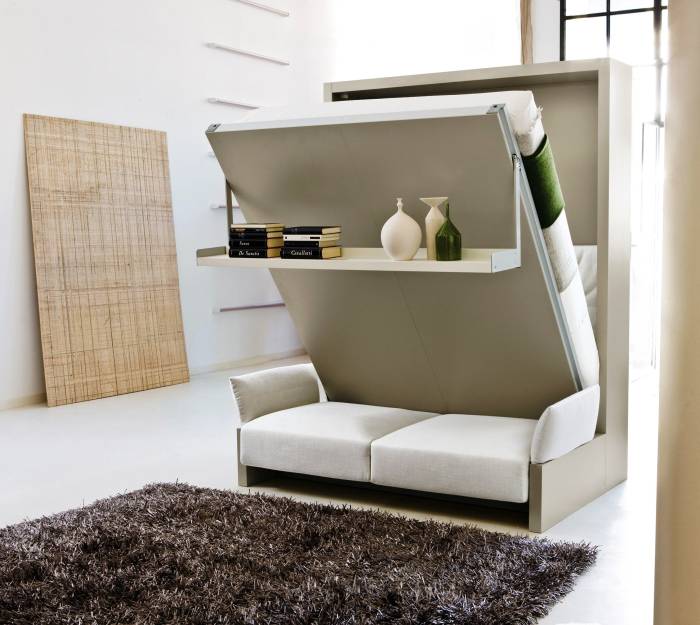
Space-saving beds are crucial for maximizing floor space in bedrooms. Several innovative designs offer both sleeping space and additional storage or functionality.Murphy beds, also known as wall beds, fold completely into a wall unit, creating a completely open space during the day. Trundle beds feature a second bed that slides out from underneath the main bed, perfect for guests or children.
Loft beds elevate the sleeping area, creating usable space underneath for a desk, seating area, or storage. Captain’s beds incorporate built-in drawers within the frame for convenient storage. Daybeds, often found in guest rooms or smaller homes, serve as a sofa during the day and a bed at night.
Convertible Furniture in Small Living Spaces
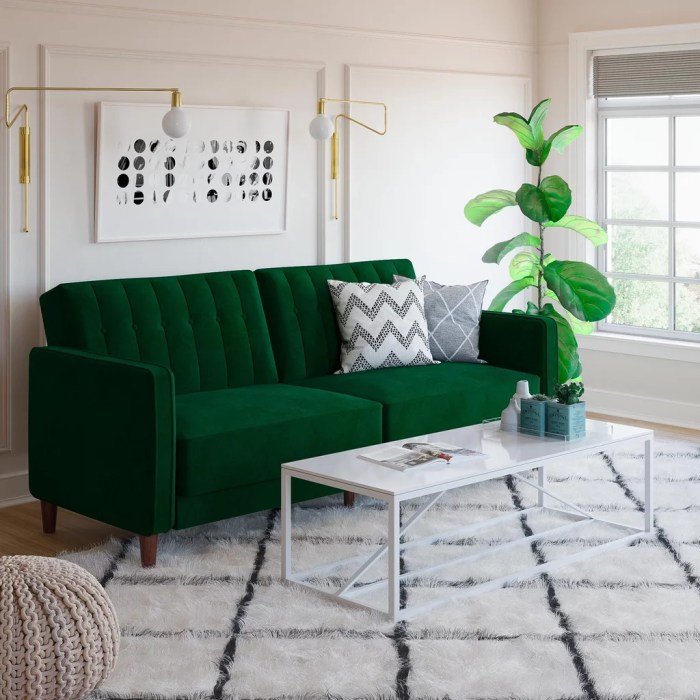
Convertible furniture, such as sofa beds, offers a significant advantage in small living spaces by serving dual purposes. This eliminates the need for separate seating and sleeping areas, maximizing the available floor space. For example, a sofa bed can transform a living room into a guest room instantly.However, convertible furniture also presents disadvantages. Sofa beds, while convenient, often lack the comfort and support of a dedicated bed.
The mechanism for conversion can sometimes be cumbersome, and the mattress may not be as high-quality as a traditional mattress. The durability of the mechanism and the overall longevity of the furniture are also potential concerns. Careful consideration of these trade-offs is crucial before investing in convertible furniture for a small living space.
Materials and Design Considerations
The choice of materials and design significantly impacts both the aesthetic appeal and the longevity of space-saving furniture. Different materials offer varying levels of durability, visual weight, and ease of maintenance, influencing how effectively they contribute to a small space’s overall design. Understanding these material properties is crucial for selecting pieces that enhance, rather than detract from, a small living area.
Material Impact on Space-Saving Furniture
The materials used in space-saving furniture play a vital role in determining its visual and functional characteristics. Wood, metal, and plastic each offer unique advantages and disadvantages. Wood, for instance, offers a warm, natural aesthetic and can be crafted into intricate designs. However, wooden furniture tends to be heavier and more expensive than its plastic or metal counterparts. Metal furniture, on the other hand, is often more durable and lightweight, allowing for more intricate designs, but it can feel cold and less inviting than wood.
Plastic furniture provides a cost-effective and lightweight option, but it may not offer the same level of durability or aesthetic appeal as wood or metal. The choice depends on individual preferences, budget, and the desired overall style.
Living Room Layouts Utilizing Space-Saving Furniture
Three distinct living room layouts demonstrate the versatility of space-saving furniture in small apartments.Layout 1: Minimalist Modern. This layout features a sleek, metal-framed sofa bed, a glass-topped coffee table with built-in storage, and a set of nesting ottomans made from lacquered wood. The metal frame of the sofa bed contributes to a light and airy feel, while the glass coffee table visually expands the space.
The nesting ottomans provide extra seating when needed and offer hidden storage. The overall color palette is neutral, emphasizing clean lines and a minimalist aesthetic.Layout 2: Rustic Industrial Chic. This layout incorporates a multi-functional wooden storage bench with a built-in shelving unit, a metal-framed armchair with a cushioned seat, and a small, foldable wooden side table. The wooden bench offers seating and storage, while the metal armchair adds a touch of industrial flair.
The foldable side table provides extra surface space when needed, and its compact design makes it easy to store away. This layout blends rustic and industrial elements, creating a warm and inviting atmosphere.Layout 3: Contemporary Eclectic. This design utilizes a plastic modular sofa system, a multi-purpose storage ottoman made from a combination of fabric and wood, and a wall-mounted floating shelf made of light-colored wood.
The modular sofa system allows for flexible configuration, adapting to different needs and space constraints. The storage ottoman offers extra seating and hidden storage. The floating shelf maximizes vertical space, providing additional storage without cluttering the floor. This layout embraces a mix of materials and styles, resulting in a dynamic and personalized space.
Aesthetic Appeal: Minimalist vs. Maximalist Space-Saving Furniture
Minimalist space-saving furniture prioritizes clean lines, simple forms, and a neutral color palette. It aims to create a sense of spaciousness and calm by minimizing visual clutter. Maximalist space-saving furniture, conversely, embraces a more eclectic and layered aesthetic. It uses a variety of textures, colors, and patterns to create a visually rich and stimulating environment. While both styles can be effective in small spaces, the choice depends on personal preference and the desired mood and atmosphere.
Minimalist designs tend to feel more open and airy, while maximalist designs can feel more cozy and inviting, though they might require more careful curation to avoid overwhelming the space.
Space Enhancer & Space Saving Strategies
Space-saving and space-enhancing strategies, while both aiming to improve the functionality and comfort of a small living space, employ different approaches. Space-saving focuses on minimizing the physical footprint of furniture and belongings, maximizing storage, and optimizing the use of vertical space. Space-enhancing, conversely, uses design techniques to create theillusion* of more space, even if the actual square footage remains the same.
Both are valuable, and often work best in conjunction.Space-enhancing techniques create the perception of more space through clever manipulation of visual elements, while space-saving strategies deal with the practical reality of limited square footage. Understanding the distinction is crucial for effective small-space design.
Interior Design Techniques for Enhancing Spaciousness
Five key interior design techniques can significantly enhance the feeling of spaciousness in a small room. These techniques work by manipulating light, color, and visual flow to create a sense of openness and airiness.
1. Light and Bright Color Palette: Employing a light and bright color palette, such as whites, creams, pastels, and light grays, dramatically expands the perceived size of a room. Imagine a small bedroom painted a soft, creamy white. The walls seem to recede, and the space feels airy and uncluttered. The light reflects off the surfaces, making the room feel brighter and larger than it actually is.
Dark colors, in contrast, absorb light, making a room feel smaller and more confined.
2. Strategic Use of Mirrors: Strategically placed mirrors can create the illusion of depth and expand the visual space. A large mirror positioned opposite a window, for example, will reflect the outdoor light and scenery, doubling the perceived size of the room. Imagine a small living room with a large mirror reflecting a vibrant garden – the room instantly feels larger and more connected to the outdoors.
3. Minimalist Furniture and Decor: A minimalist approach to furniture and décor is essential. Instead of crowding the space with numerous small items, opt for a few carefully chosen pieces with clean lines and simple designs. Picture a living room with a single, sleek sofa, a minimalist coffee table, and a few carefully selected accessories. The lack of clutter allows the eye to travel freely, creating a sense of spaciousness.
4. Vertical Space Maximization: Utilizing vertical space is crucial in small spaces. Tall bookshelves reaching the ceiling, for instance, create a sense of height and draw the eye upwards, making the room feel larger. Visualize a small study with floor-to-ceiling bookshelves. The vertical lines visually expand the room, and the organized storage keeps the space from feeling cramped.
5. Consistent Flooring: Using the same flooring material throughout a small home or apartment helps create a sense of flow and continuity, making the space feel larger. Imagine a small apartment with consistent light-colored hardwood flooring running throughout. The uninterrupted flow of the flooring visually connects the different areas, creating a feeling of spaciousness and openness.
Practical Tips for Maximizing Space in a Small Home
The following ten tips offer practical strategies for maximizing space in a small home, encompassing both furniture choices and room arrangement techniques.
- Choose multi-functional furniture: Utilize pieces like sofa beds, ottomans with storage, and coffee tables with drawers to maximize functionality and minimize clutter.
- Maximize vertical storage: Utilize wall-mounted shelves, tall bookshelves, and overhead storage to store items efficiently.
- Embrace built-in storage: Built-in wardrobes, drawers, and shelving units can seamlessly integrate storage into the room’s design.
- Select furniture with slim profiles: Opt for furniture with slender legs and minimal bulk to create a less cluttered feel.
- Use light and airy curtains: Sheer or light-colored curtains allow natural light to filter in, creating a brighter and more spacious feel.
- Keep countertops and surfaces clear: Regularly declutter to prevent surfaces from becoming visually cluttered.
- Utilize wall space strategically: Hang mirrors, artwork, or shelves to draw the eye upward and create a sense of spaciousness.
- Employ clever storage solutions: Use baskets, containers, and storage ottomans to keep items organized and out of sight.
- Organize items frequently: Regularly decluttering and organizing keeps the space feeling less cramped and more manageable.
- Consider light, neutral colors: A consistent color scheme helps create a sense of flow and openness.
Cost and Maintenance
Investing in space-saving furniture requires careful consideration of both upfront costs and long-term maintenance. The initial price can vary significantly depending on the materials, features, and brand, while ongoing maintenance needs will influence the furniture’s lifespan and overall value. Understanding these factors is crucial for making an informed purchasing decision.
Space-saving furniture offers a wide range of price points, catering to various budgets. However, the cheapest options often compromise on durability and quality, leading to higher replacement costs in the long run. Conversely, high-end pieces might boast superior materials and construction but come with a significantly higher price tag. Finding the right balance between cost and quality is key.
Average Price Ranges and Maintenance Requirements
The table below provides a general overview of average price ranges and maintenance requirements for different types of space-saving furniture. Note that prices can fluctuate based on retailer, brand, and specific features. Maintenance requirements are also influenced by usage and environmental factors.
| Furniture Type | Material | Average Price Range | Maintenance Requirements |
|---|---|---|---|
| Murphy Bed | Solid Wood/Metal Frame | $500 – $3000 | Regular inspection of hinges and mechanisms; occasional lubrication; dust regularly. |
| Fold-Down Desk | Laminate/Solid Wood | $100 – $800 | Wipe clean with a damp cloth; avoid harsh chemicals; tighten screws periodically. |
| Storage Ottoman | Upholstered Fabric/Leather | $150 – $1500 | Regular vacuuming or spot cleaning; professional cleaning as needed; protect from spills. |
| Loft Bed | Solid Wood/Metal | $300 – $1500 | Inspect regularly for loose screws or bolts; tighten as needed; dust regularly. |
| Multi-Functional Sofa Bed | Fabric/Leather/Microfiber | $300 – $2000 | Regular vacuuming and spot cleaning; professional cleaning recommended annually; protect from spills and stains. |
Common Maintenance Issues and Solutions
Several common maintenance issues can arise with space-saving furniture. Addressing these promptly can prevent further damage and extend the furniture’s lifespan.
For example, loose hinges or mechanisms are common in Murphy beds and fold-down desks. Regular tightening of screws and bolts can prevent these issues. Similarly, fabric upholstery on sofa beds and ottomans can be prone to stains and wear. Prompt spot cleaning and regular vacuuming can help maintain their appearance and prevent damage. For more stubborn stains, professional cleaning is recommended.
Water damage is another potential problem, particularly with wood furniture. Avoid placing wet items directly on surfaces and promptly wipe up any spills to prevent warping or staining. For minor scratches on wooden surfaces, wood polish or furniture markers can effectively conceal damage.
Finding Affordable Yet Durable Options
Finding affordable yet durable space-saving furniture requires careful research and planning. Consider purchasing from reputable brands known for their quality and customer service. Look for sales and discounts, and don’t hesitate to shop around for the best prices. Purchasing refurbished or gently used furniture can also significantly reduce costs while still providing functional pieces. Choosing durable materials like solid wood or high-quality metal frames will help ensure longevity, even with a lower initial investment.
Prioritize functionality and consider the long-term value of the furniture over its initial price. A slightly more expensive piece made from durable materials will often be a more cost-effective choice in the long run compared to a cheaper option that requires frequent repairs or replacement.
Ultimately, choosing the best space-saving furniture involves a careful consideration of your individual needs, lifestyle, and aesthetic preferences. By understanding the diverse options available, weighing the pros and cons of different designs and materials, and implementing smart space-enhancing techniques, you can create a small space that feels both spacious and stylish. Embrace the possibilities and transform your home into a comfortable and functional haven.
FAQ Explained
What is the lifespan of space-saving furniture?
Lifespan varies greatly depending on the material and quality of construction. Well-made pieces can last for many years with proper care.
Where can I find affordable space-saving furniture?
Consider online marketplaces, second-hand stores, and furniture outlets for budget-friendly options. Look for sales and discounts.
How do I clean different types of space-saving furniture?
Cleaning methods vary by material. Always check the manufacturer’s care instructions. Generally, wood requires gentle dusting, while fabric requires spot cleaning or professional cleaning.
Can space-saving furniture be used in larger homes?
Absolutely! Space-saving furniture can be incorporated into larger homes to maximize storage and create a more organized and efficient layout.


