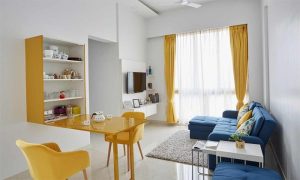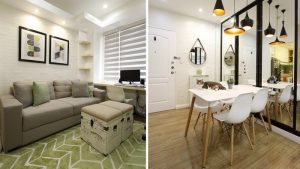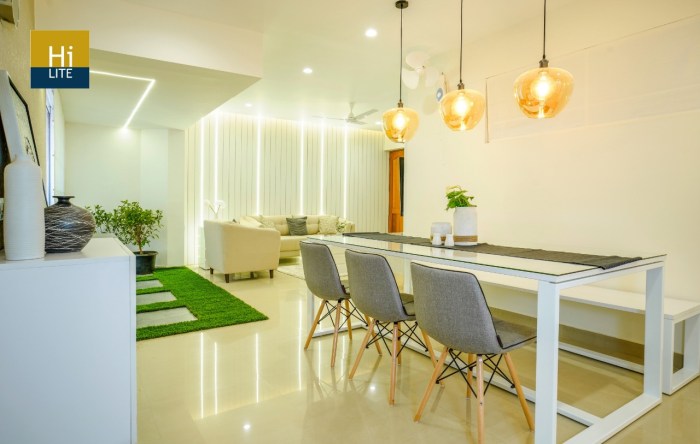
Transforming living spaces isn’t just about furniture arrangement; it’s about the subtle art of illumination. The right lighting can dramatically alter a room’s perceived size, creating an illusion of spaciousness even in the coziest of apartments. This exploration delves into the multifaceted world of space-enhancing lighting, examining how different fixtures, colors, and placement strategies can dramatically impact your home’s ambiance and functionality.
From understanding the nuances of light temperature and color palettes to mastering the art of layered lighting and strategic fixture placement, we’ll uncover techniques that will make your rooms feel larger, brighter, and more inviting. We will also cover practical considerations such as space-saving furniture solutions and the effective use of mirrors to maximize light reflection. Whether you’re tackling a small bedroom, a narrow hallway, or a cramped kitchen, this guide offers actionable strategies for maximizing your space through intelligent lighting design.
Space-Enhancing Lighting Techniques for Specific Rooms
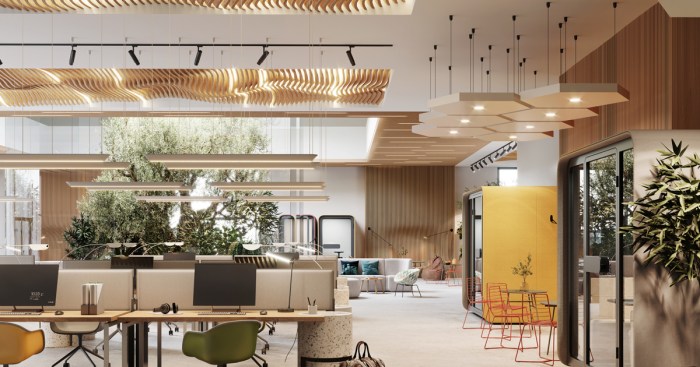
Effective lighting design is crucial for maximizing the perceived space and ambiance of any room. By strategically employing different lighting techniques, we can transform even the smallest areas into bright, inviting, and functional spaces. This section explores practical lighting plans for three common areas: bedrooms, bathrooms, and kitchens.
Small Bedroom Lighting Plan for Relaxation and Space Maximization
A small bedroom benefits greatly from a layered lighting approach that combines ambient, task, and accent lighting. Ambient lighting, provided by a central ceiling fixture or recessed lights, should be soft and diffused to create a relaxing atmosphere. Avoid harsh overhead lighting. Instead, opt for warm-toned LED bulbs to promote a sense of calm. Task lighting, such as bedside lamps with adjustable brightness, is essential for reading or other activities.
Choose lamps with sleek, minimalist designs to avoid cluttering the space. Accent lighting, such as strategically placed fairy lights or a small uplight behind a headboard, can add a touch of personality and visually expand the room by drawing the eye upwards. The overall effect should be a soft, even glow that enhances the feeling of spaciousness. Avoid bulky lamps or overly bright light sources.
Bathroom Spatial Enhancement Using Mirrors and Lighting
Mirrors and lighting work synergistically to enhance the perceived size of a bathroom. Positioning a large mirror opposite a light source, such as a window or a well-lit vanity, creates a visual illusion of depth and expands the space. This effect is amplified by using a well-lit vanity mirror with integrated lighting. The light reflects off the mirror, further illuminating the room and making it appear larger.
Recessed lighting in the ceiling can also be used to provide even illumination, preventing dark corners that can make the bathroom feel cramped. Additionally, consider using LED strip lights under the vanity or around the perimeter of the room for a modern and space-enhancing touch. The strategic placement of these elements creates a bright and airy atmosphere that combats the feeling of confinement often associated with small bathrooms.
Cramped Kitchen Lighting Scheme for Functionality and Spaciousness
A cramped kitchen requires a well-planned lighting scheme that improves both functionality and spaciousness. Under-cabinet lighting is essential for task lighting, illuminating work surfaces and preventing shadows. LED strip lights are ideal for this purpose due to their energy efficiency and slim profile. Ambient lighting, such as recessed lights or a pendant light above the island (if applicable), provides general illumination and enhances the overall feel of the space.
Avoid using just one central light source; instead, layer the lighting to create depth and avoid harsh shadows. To visually expand the kitchen, consider using brighter colors on the walls and ceiling, which will reflect the light more effectively. Additionally, incorporating glass-fronted cabinets or open shelving can further enhance the sense of spaciousness by allowing light to penetrate more easily.
Careful consideration of light color temperature can also influence the perception of space; cooler tones can make the kitchen feel larger, while warmer tones can create a cozier atmosphere.
Space Enhancer & Space Saving Strategies
Effective lighting design is intrinsically linked to maximizing the perceived size and functionality of a space. By strategically employing space-saving furniture and clever lighting techniques, we can create the illusion of spaciousness even in smaller rooms, enhancing both aesthetics and usability. This section explores various methods for achieving this balance.Space-saving furniture and well-placed lighting work synergistically to optimize a room’s potential.
Careful consideration of both elements ensures that the room feels larger and more comfortable, even with limited square footage. The interplay between furniture selection and lighting choices dramatically impacts the overall atmosphere.
Space-Saving Furniture and Lighting Integration
Choosing furniture with built-in storage significantly reduces clutter and frees up floor space. For example, ottomans with lift-top storage can double as seating and storage for blankets or games, while beds with built-in drawers provide additional space for bedding and clothing. Lighting can further enhance this effect. Recessed lighting installed above built-in storage units subtly illuminates the area, highlighting the functionality of the furniture while maintaining a clean, uncluttered look.
Under-cabinet lighting in kitchens with space-saving pull-out shelving units adds practicality and emphasizes the organized space. Similarly, task lighting above a compact desk with built-in shelving creates a functional and visually appealing workspace.
Amplifying Light with Mirrors and Reflective Surfaces
Mirrors strategically placed to reflect light sources can dramatically expand the perceived size of a room. A large mirror opposite a window will bounce natural light deeper into the room, creating a brighter and more spacious feeling. Similarly, reflective surfaces such as polished metal accents or metallic paint on accent walls can enhance the effect of artificial light sources.
For example, a strategically placed mirror reflecting the light from a floor lamp can brighten a dark corner, making the space feel more open and inviting. Using glossy or high-sheen paint on walls and ceilings also helps to bounce light around the room, making it feel brighter and larger.
Utilizing Vertical Space with Lighting Fixtures
Vertical space is often underutilized. By employing vertical lighting solutions, we can draw the eye upwards, creating a sense of height and spaciousness. Tall floor lamps, pendant lights suspended at varying heights, and wall-mounted sconces all contribute to this effect. These lighting fixtures not only provide illumination but also add visual interest and create vertical lines that visually extend the space.
For instance, a series of vertically stacked sconces along a wall can visually lengthen the wall, making the room appear taller. Similarly, a tall, slender floor lamp positioned in a corner draws the eye upward, creating the illusion of more vertical space.
Minimalist Design and Lighting Choices
Minimalist design principles emphasize simplicity, functionality, and clean lines. This approach is highly effective in creating a sense of spaciousness. By minimizing clutter and selecting furniture with clean lines and neutral colors, the focus shifts to the lighting, which can be used to highlight architectural features or create focal points. Simple, streamlined lighting fixtures, such as recessed lights or track lighting, complement this aesthetic, avoiding visual clutter.
A minimalist approach often favors a limited palette of warm, neutral colors, which in combination with soft, diffused lighting, creates a calm and spacious atmosphere. The absence of visual distractions allows the eye to appreciate the available space more fully.
Ultimately, mastering the art of space-enhancing lighting involves a holistic approach that considers not only the type of fixtures but also their placement, the color temperature of the bulbs, and the overall color scheme of the room. By thoughtfully integrating these elements, you can create a visually stunning and functionally optimized space that feels significantly larger than its actual dimensions.
Remember, light is more than just illumination; it’s a powerful tool for shaping perception and enhancing the overall aesthetic appeal of your home.
Questions Often Asked
What is the best type of bulb for maximizing space?
There isn’t one single “best” bulb type. The ideal choice depends on the room and desired ambiance. Brighter, cooler-toned bulbs (daylight or cool white) can make a room feel larger, while warmer tones create a cozier atmosphere, which might feel smaller but more intimate.
How can I use lighting to highlight architectural features?
Accent lighting is key. Use track lighting or strategically placed spotlights to draw attention to architectural details like crown molding, beams, or interesting wall textures. This adds visual interest and can make the space feel more dynamic.
Are there any downsides to using mirrors to enhance space?
While mirrors effectively reflect light and create the illusion of more space, overuse can make a room feel cold or artificial. Strategically place mirrors to reflect light sources and desirable views, avoiding placement opposite harsh lighting or cluttered areas.