Transforming cramped quarters into comfortable havens is an art, a blend of clever design, strategic organization, and a dash of creativity. This guide delves into the multifaceted world of maximizing small living spaces, offering practical solutions and inspiring ideas to help you unlock the full potential of your compact home. We’ll explore space-saving furniture, decluttering techniques, and the power of light and color to create an illusion of spaciousness, all while maintaining a stylish and functional environment.
From ingenious storage solutions to the strategic use of mirrors and reflective surfaces, we’ll cover a range of techniques to optimize every inch of your space. Whether you’re tackling a tiny apartment, a compact studio, or a small house, this comprehensive guide will provide the tools and inspiration you need to create a home that feels both spacious and uniquely yours.
Space-Saving Furniture
Maximizing space in small living areas requires a strategic approach to furniture selection. Prioritizing multi-functional pieces and clever storage solutions is key to creating a comfortable and uncluttered environment. This section explores various space-saving furniture options, detailing their design, materials, and assembly, along with examples of integrated storage and the advantages of convertible furniture.
Multi-Functional Furniture Designs
Effective space-saving furniture is characterized by its ability to serve multiple purposes. This minimizes the number of individual pieces needed, freeing up valuable floor space. Below are examples of such furniture, along with details on their construction.
| Furniture Piece | Description | Materials | Assembly | Dimensions (approx.) |
|---|---|---|---|---|
| Ottoman with Storage | A cushioned ottoman with a hinged lid revealing storage space inside. | Solid wood frame, upholstered fabric or faux leather, plywood base. | Typically requires some assembly, involving attaching the legs and lid hinges. | 40cm H x 60cm W x 60cm D |
| Sofa Bed | A sofa that converts into a bed, ideal for guests or small apartments. | Solid wood frame, foam mattress, fabric upholstery, metal hinges and mechanisms. | Generally pre-assembled, but may require attaching legs or adjusting mechanisms. | 80cm H x 190cm W x 90cm D (sofa); 20cm H x 190cm W x 90cm D (bed) |
| Wall-Mounted Desk | A fold-down desk that attaches to the wall, freeing up floor space when not in use. | MDF or particleboard, metal hinges and brackets, laminate finish. | Requires wall mounting using appropriate hardware; fairly straightforward assembly. | 70cm H x 100cm W x 30cm D (open); 10cm D (closed) |
| Storage Bench with Shoe Compartment | A bench with a built-in compartment for storing shoes or other items. | Pine wood, fabric cushion, plywood compartment. | Requires assembly of the bench frame and attaching the cushion and compartment. | 45cm H x 120cm W x 40cm D |
Clever Storage Solutions Integrated into Furniture
Integrating storage directly into furniture pieces is a highly effective way to maximize space. This prevents the need for separate storage units, contributing to a more streamlined and organized living space.
- Hidden compartments within ottomans, coffee tables, and even bed frames can store blankets, books, or other items.
- Pull-out drawers beneath beds or sofas provide additional storage for clothing, linens, or seasonal items.
- Shelving units built into the sides or backs of furniture add vertical storage without taking up extra floor space.
- Utilize the space under staircases with custom-built drawers or shelves.
Benefits of Convertible Furniture
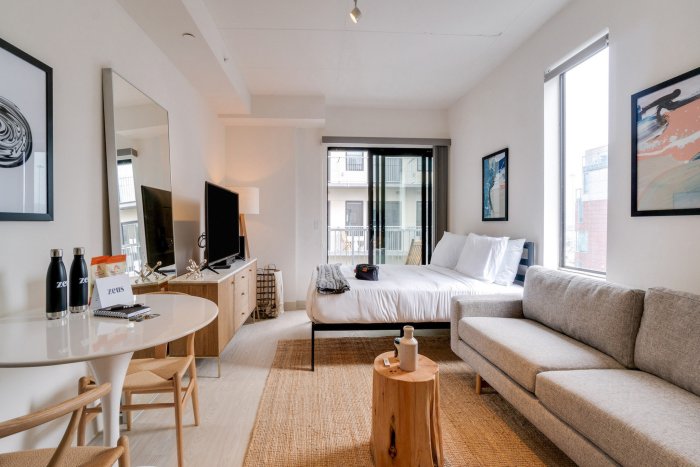
Convertible furniture, such as sofa beds and Murphy beds, offers significant space-saving advantages in small living spaces. These pieces serve dual purposes, eliminating the need for separate sleeping and seating areas.The primary benefit lies in their ability to transform a single piece of furniture into both a seating area and a sleeping area. This adaptability is especially crucial in studio apartments or rooms with limited space, where multifunctional furniture can significantly improve the living experience.
For example, a sofa bed allows for comfortable seating during the day and a functional bed at night, maximizing the usability of a single piece of furniture. Similarly, a Murphy bed folds away neatly into a wall unit, freeing up space during the day.
Mirrors and Reflective Surfaces
Mirrors and reflective surfaces are powerful tools for visually expanding small living spaces. By strategically placing mirrors, you can create the illusion of depth and significantly enhance the perceived size of a room, making it feel more open and airy. This effect is achieved through the reflection of light and the surrounding environment, effectively doubling (or at least significantly increasing) the visual space.The strategic use of mirrors isn’t just about creating the illusion of more space; it also offers a fantastic opportunity to boost the aesthetic appeal of your small living area.
Different mirror types, sizes, and placements can dramatically alter the overall feel of a room, adding personality and style while simultaneously maximizing the sense of spaciousness.
Mirror Placement Strategies for Small Spaces
Careful consideration of mirror placement is crucial to achieving the desired effect. Placing a mirror opposite a window is a classic technique. This reflects natural light deeper into the room, brightening it and creating a sense of greater depth. The reflected view of the outdoors also expands the visual boundaries of the interior, making the space feel less confined.
Alternatively, positioning a mirror on a wall adjacent to a light source, such as a lamp or overhead fixture, will similarly amplify the light and brighten the room. In a hallway, a strategically placed mirror can create a sense of continuation and length, making the hallway appear longer than it actually is. Avoid placing mirrors directly opposite each other, as this can create an infinite reflection effect that can be visually overwhelming and disorienting in a small space.
Types of Mirrors and Their Impact on Small Spaces
Full-length mirrors are ideal for smaller bedrooms or hallways, providing both practicality and a significant visual expansion of the space. They offer a clear, unobstructed reflection of the entire body, making them functional for getting ready in the morning, while simultaneously adding a sense of spaciousness. Decorative mirrors, on the other hand, can add a touch of personality and style.
A large, ornate mirror can become a focal point of the room, drawing the eye and creating a sense of grandeur, even in a small space. Smaller, more intricately designed mirrors can be used in groupings to create a visually interesting and spacious effect. Consider using mirrors with unique frames – a gilded frame can add a touch of elegance, while a rustic wooden frame can create a more relaxed atmosphere.
The choice of mirror type should complement the overall style and décor of the room.
Designing a Mirror Plan for a Small Living Space
When incorporating mirrors into a small living space, begin by assessing the room’s layout and light sources. Consider the size and shape of the room, and identify areas where a mirror could maximize the effect of natural or artificial light. For a small living room, a large mirror placed above a sofa or fireplace mantel can visually expand the space and reflect the room’s features, creating a more dynamic and inviting atmosphere.
In a narrow hallway, a vertical, full-length mirror can create a sense of length and continuity. For a small bedroom, a full-length mirror on the closet door can both serve as a functional piece and visually expand the room. Remember to consider the scale of the mirror in relation to the size of the room; a mirror that is too large can overwhelm a small space, while a mirror that is too small may not have a significant impact.
Always prioritize functionality and aesthetic appeal when making your selections.
Maximizing a small living space is not about sacrificing style or comfort; it’s about embracing resourceful design and intentional living. By implementing the strategies Artikeld in this guide—from choosing multifunctional furniture and decluttering effectively to leveraging vertical space and employing strategic color palettes—you can create a home that’s not only functional but also aesthetically pleasing and reflects your personal style.
Remember, the key lies in thoughtful planning and creative problem-solving, transforming limitations into opportunities for innovative and stylish living.
FAQ Explained
Can I maximize small spaces without spending a fortune?
Absolutely! Many space-saving solutions are budget-friendly, focusing on clever organization, repurposing existing items, and DIY projects.
How do I choose the right color scheme for a small space?
Light and neutral colors generally make a space feel larger. However, strategic use of accent colors can add personality without overwhelming the room.
What are some quick decluttering tips for beginners?
Start with one area at a time. Discard anything broken, unused, or unwanted. Donate or sell items in good condition.
How important is natural light in a small space?
Maximizing natural light is crucial. It makes a space feel significantly larger and brighter. Keep windows unobstructed.